
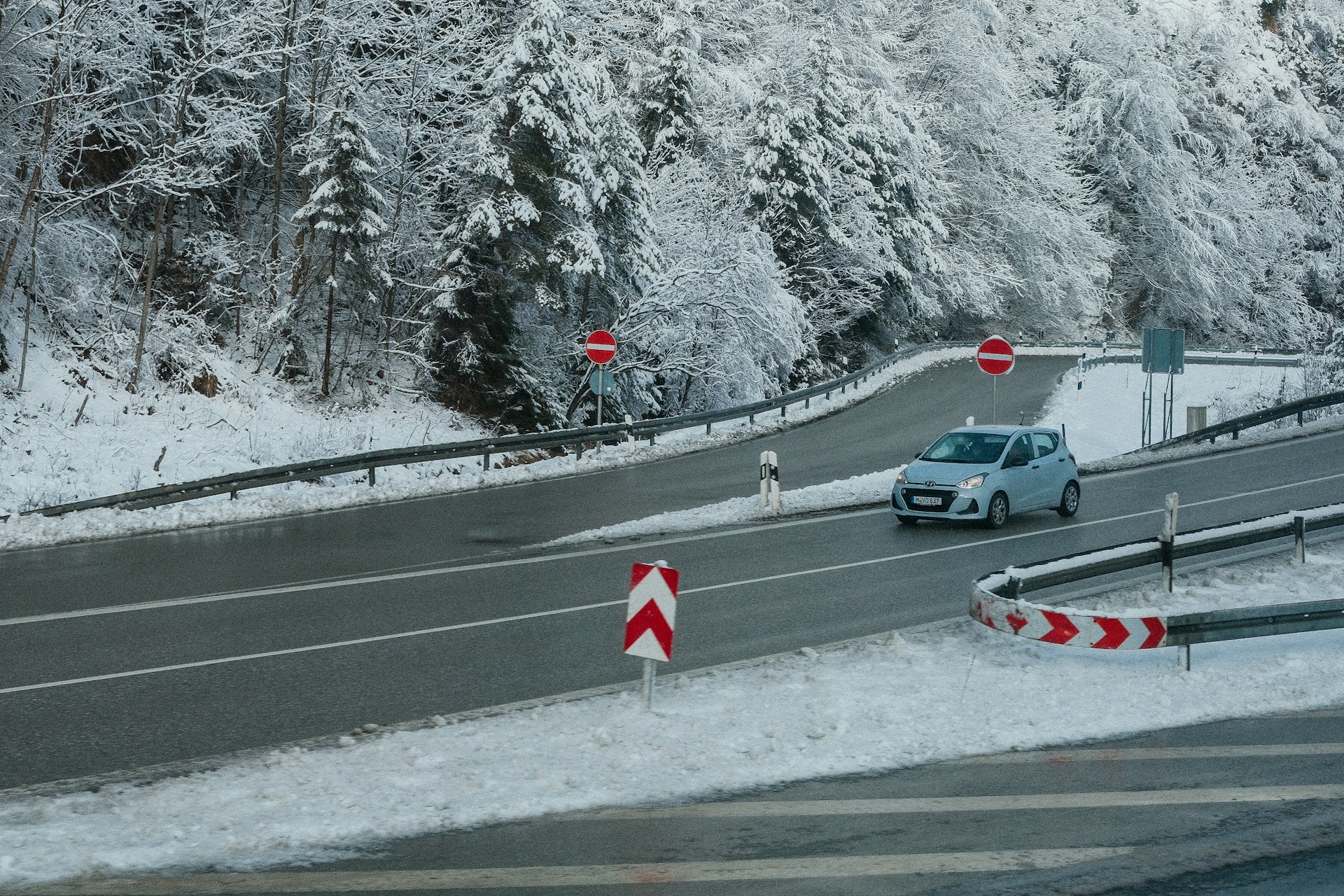
Every winter, roads change fast. Snow starts to fall, ice builds up, and even light rain can turn a bend into a slide. Across much of the country, colder months bring tougher driving conditions. In some places, it happens for only a couple of months. In others, it’s a long season that stretches well past the holidays. Either way, winter roads mean more accidents and more urgent calls.
When crashes rise, so does the need to respond quickly. And that’s when having the right kind of lead can make a big difference. Exclusive auto accident leads are exactly what they sound like, real-time calls that are passed to one person, not shared between several businesses. These are not cold contacts or web forms. These are people who need help now, and they’re ready to talk.
In winter, the need feels sharper and the chances to respond feel tighter. Slippery roads. Shorter days. Holiday stress. When someone gets into an accident, everything happens faster. That first call becomes more important. And how we handle that moment often makes or breaks the rest of the process.
In places like Leads, where winter weather can flip quickly from wet to icy, the difference between a missed call and a live one is not small. It can mean losing the lead altogether. That is why timing, tone, and trust matter more this time of year, and why the quality of the lead makes such a difference.
Winter Driving Brings a Real Spike in Urgent Calls
Winter driving is not easy. Whether you are in a big city or a quiet rural spot, the colder season adds extra pressure to the roads. Days get darker a lot earlier. Roads glaze over with black ice. Even a light dusting of snow can hide a patch of trouble. Once people start rushing to shop, travel, and make the holidays work, mistakes can happen.
All of that leads to more fender benders, more spinouts, and more edge-of-the-road calls. As soon as that happens, someone pulls out their phone. Whether they are calling from a snowy shoulder or sitting in a parking lot after a tap on the bumper, what they want is help. Not next week. Now.
That is where speed steps up. When people are cold, shaken up, or short on time, the longer the delay, the more likely they hang up or call someone else. These moments are full of stress, and without the right response, even legitimate leads slip away fast.
What is tricky is how sudden these changes come. One day, the roads are clear. The next day, one slick turn leads to five calls in a row. Those calls will not wait for business hours. They will not stay long if sent into a long phone queue or a voicemail box.
Live phone leads work best during winter because of how people react in these moments. They do not want to fill out a web form or wait for a follow-up text. They want to hear a voice that can help solve their problem. Answering fast turns cold moments into warm connections.
If we wait too long or use automated systems that feel robotic, we lose that real-time chance. When calls are coming from a slippery road or a dark parking lot, there is usually only one chance to get it right.
Cold Weather Means Fewer Second Chances
Winter brings more accidents and changes how those calls go. In the colder months, callers do not always have the time or conditions to talk twice. Maybe their hands are freezing or their phone’s battery is low. Maybe it is windy or snow is starting to pick up. Sometimes, their signal jumps in and out. If we miss the first call, they are probably not calling back.
This is where exclusive auto accident leads keep their edge, especially in winter. They do not get passed around. They are real-time, one-on-one calls, not recycled contacts that have been called four times already. That gives us a real shot to build trust right away, with no noise or extra delays.
It is important to remember that the people making these calls are not just names in a system. They are stuck in uncomfortable, sometimes scary situations. That moment of contact, especially in the cold, carries weight. The slower we respond, the quicker they move on.
With fewer minutes to spare, every second starts to matter. Bad weather limits choices. People may have pulled over into a spot with weak cell signal or they might be standing outside their car while snow falls around them. If we do not connect right then, the window shuts.
Lead quality will not matter if we cannot answer in time. In winter, that timing makes all the difference between speaking with someone who needs help or watching them disappear into another system. Fast answers win the moment, and that is where real value shows up.
Holiday Travel Crowds the Calendar
Between late November and early January, everything shifts. Roads fill up. Airports pack out. Work slows down, but at the same time, the accident rate climbs. It is not just the winter weather. It is the extra miles and the tight calendars. Families drive to visit loved ones. Delivery vans rush to drop off packages. Everyone is trying to get one more errand done before the next cold front hits.
With many people on the road, accidents do not just happen more often, they happen in clusters. One icy morning could mean five leads back-to-back before 9 AM. A weekend shopping run with bad visibility can flood hotlines throughout the afternoon.
There is also another layer here. Many local offices may close early, reduce weekend hours, or have fewer people working closer to the holidays. That makes keeping up with incoming calls even harder. If we are not ready to handle things live, we fall behind fast.
The good news is that systems can help. Automated responses do not work during this season, but smart routing and real-time alerts make a difference. When a call comes in, we want it to come straight through to someone who is set to answer quickly, with the right tone and timing.
In a crowded season like this one, scheduling ahead will not solve the whole problem. Real-time leads fill the gap. When followed up the moment they hit, we stay on top of things no matter how packed the roads get.
This is where the value of reliable winter-ready lead handling really becomes clear, not with more volume, but with better timing and better focus. Quality is more effective when the weather adds stress, the calendar tightens, and people cannot wait around for answers.
Why Generic Campaigns Fall Short in Cold Months
During the winter, tone means everything. When someone is calling about an accident, they are not interested in vague scripts or impersonal recordings. This is where broad ad campaigns often lose people. Systems built around automatic replies or general outreach do not leave room for urgency. They miss the emotional weight that comes with cold-weather crashes.
Calls that come in during December sound different. The person might be standing by a snow-covered road or trying to manage their kids in a freezing car. They do not want to hear elevator music or be asked to press five different buttons. Most just want to speak to a real person who can actually help.
That is what sets exclusive auto accident leads apart this time of year. These callers are not just responding to some wide-net ad, they are reaching out with purpose. They have taken the step to call, and they expect someone on the other end who is ready. That changes the tone. It turns the conversation from a cold call into real help.
With generic outreach, we often end up with low-intent leads. These are people who might not act, who might already be talking to someone else, or who are not sure what they need. Exclusive leads are different. These are one-on-one calls, built to connect directly with the right resource. Focus counts more in winter, when conditions are harder and patience is shorter.
It is not about casting a wide net. It is about knowing how to speak to someone in a moment when they feel rushed or shaken and staying calm enough to carry the conversation forward.
Exclusive Leads Pay Off More When Conditions Are Rough
Winter brings more than snow. It brings tighter windows, smaller chances, and faster-moving calls. Having a truly exclusive lead, in real time, gives us the edge we need to stay ahead of that. We do not have to race against three other calls. We have the space to talk directly and focus on the person who needs help.
This can make a difference when conditions are rough. People tend to trust the first person who answers them calmly during a stressful moment. Being first matters. Being first and prepared makes all the difference.
With exclusive leads, we also skip the back-and-forth that takes up time. We do not need to requalify the same caller over and over. We do not get stuck chasing leads that were already sold to someone else. That means more time spent helping the people who reach out.
When roads are icy and daylight’s short, nobody wants to keep calling around. That first call carries weight. It is often the call they trust. If it does not lead to support, they may stop trying altogether, especially if they are cold, upset, or unsure of what to do next.
What we have learned is that quality matters more when quantity goes up. It is not just about making it through a busy season. It is about showing up with the right lead at the right second, when people need help fast and do not want to wait.
Tone and Speed Matter More in December
By December, stress runs high. Snow starts to stick. Darkness closes in earlier each day. Tempers wear thin. It is the kind of season where every interruption feels bigger, and every delay feels longer. When someone gets into an accident, the tone we respond with can make all the difference.
You can hear it from the start. A slow greeting might push someone away. Too many questions can shut the caller down before they open up. A calm, clear tone delivered fast, a tone that says “we have you,” helps people settle just enough to keep talking. That matters on cold days when nerves are already worn thin.
At the same time, speed does not mean rushing. It means being ready. Winter leads are different, not just because of the weather, but because of the stress that hangs around with it. Holiday spending, travel worries, and last-minute planning mix with icy roads to create a heavier moment. These callers need focus and clear communication.
When our tone and timing land right, people stay on the line longer. They ask more questions. They open up sooner. They trust us quicker. That is not something automation or scripts can provide. That comes from having a real person on the other end who is paying attention.
When we match the moment with the right kind of reply, we do not just keep the lead, we help move it forward, even on the coldest, busiest days of the year.
Helping Calls Cut Through the Cold
Winter always raises the stakes. Roads get slick, cars break down more easily, and the pressure to keep moving does not stop. These rougher months shift how and when people call, and they leave less room for missed chances.
That is why exclusive auto accident leads work better during this time of year. They connect us directly with people who are ready to talk, often when timing counts most. When handled with care, they turn first contact into real support.
By being sharp on tone, fast to answer, and steady through the rush, we stay in front of what winter brings. Every call counts more when the season gets tough, and the right conversations start when we meet those moments prepared.
When winter hits places like Leads and the calls start coming in fast, being ready makes all the difference. Trust starts from the first hello, and having the right live support means we can respond when timing matters most. That is why at Exclusive Leads Agency, we focus on direct, high-intent calls that help you connect in real time. For stronger connections and fewer missed opportunities this season, our exclusive auto accident leads are built for moments like these. Contact us today and get your phones ringing with leads that count.