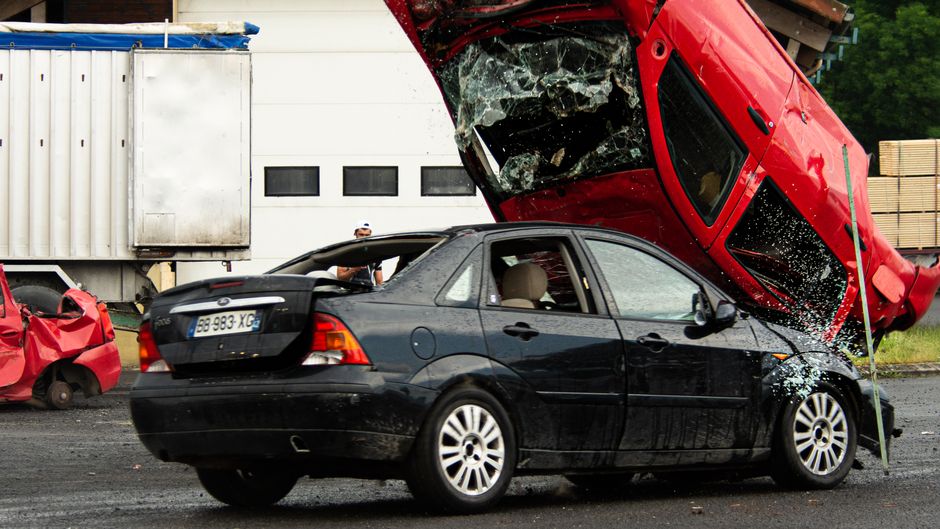
When the winter months roll in, we start to see a rise in MVA Cases. Motor vehicle accidents tend to spike during this time, and it’s no surprise why. The cold weather, combined with snow and ice, can make driving more challenging. MVA Cases, which involve motor vehicle accidents, are more common when temperatures drop and roads become slippery. But why exactly do we see such an increase in these cases during winter?
Winter brings unique driving challenges. With shorter days, drivers often find themselves on the road in the dark, and that adds to the difficulty. Snow and ice are the biggest culprits, making roads slick and increasing the chance of accidents. Drivers unfamiliar with these conditions may face even more difficulties. We will look at the different factors that cause this seasonal spike and help drivers understand how to manage their safety better during these months.
Many find that being prepared is half the battle. This includes knowing what changes in driving habits can make a difference and what tools and strategies can help. Along with practical safety tips, knowing what an MVA Retainer is and why it’s important can greatly help those caught in the middle of winter accidents. With this knowledge, drivers can protect themselves better, making sure they’re ready for whatever winter throws their way.
How Winter Weather Affects Driving Conditions
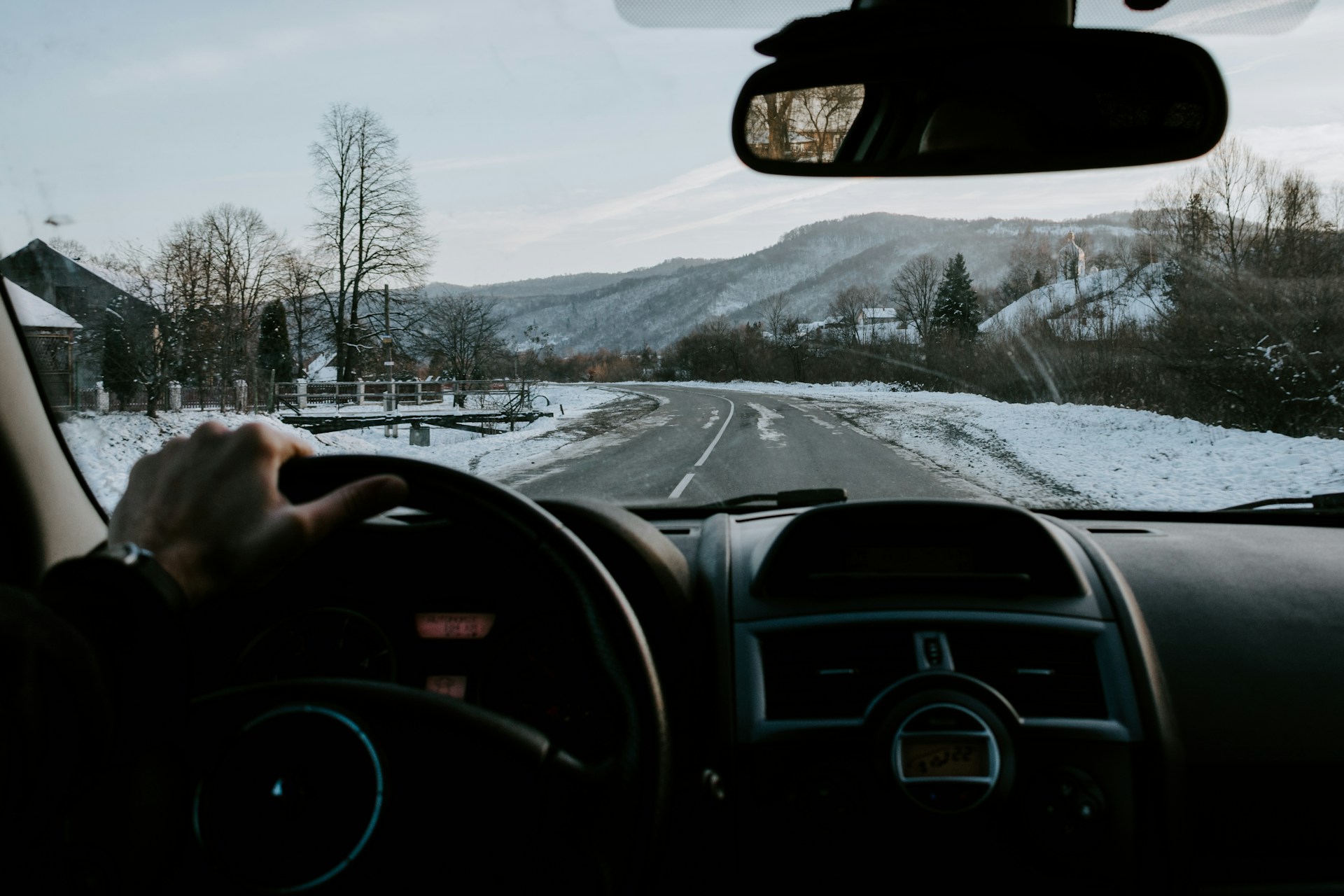
During winter, everyone knows that driving gets trickier. Snow, ice, and even slushy roads make it harder to stop or turn quickly. Reduced visibility from heavy snowfall or fog can also be a big problem. These conditions raise the risk of getting into an accident just by being on the road.
1. Snow and Ice: These are probably the biggest challenges for drivers. They make roads slippery, and stopping distances can increase a lot. When roads are covered in snow or ice, even careful drivers can find themselves losing control unexpectedly.
2. Lower Visibility: Shorter days mean more driving in the dark. Add some snow flurries or fog, and seeing what’s ahead becomes even harder. This can make reacting to sudden changes on the road very difficult.
3. Safe Driving Habits: When conditions are this tough, safe driving habits become more important. Slowing down, keeping a safe distance, and being extra cautious at intersections can make a big difference. Preparation, like having good snow tires or chains, is key during these months.
Driving in these conditions isn’t just about making sure that you get from point A to point B without incident. It’s also about being ready for the unexpected. We often hear about the importance of preparation, and it really matters here. Planning and knowing potential risks allow us to drive more confidently, even when winter is at its worst.
Winter’s effects on driving aren’t limited to just major highways or cities. Even rural roads, which might not be cleared or salted as regularly, can become traps for unwary drivers. In many regions, black ice becomes a hidden hazard. This nearly invisible layer of ice forms when the temperature hovers right around freezing, and it can catch even the most careful drivers by surprise. When first snowfalls arrive, many drivers are still adjusting, and those early-season storms often see the highest spike in MVA Cases. On top of that, heavy winds can create snowdrifts that block lanes or reduce visibility further.
Knowing how changing weather can turn a routine trip into a challenging one makes drivers more alert. Bridges and overpasses freeze before other parts of the road, and shady patches may stay icy long after the sun shines elsewhere. Sometimes, temperature changes throughout the day will melt snow by afternoon and refreeze it at night, turning safe roads into skating rinks at dusk. By understanding these seasonal quirks, drivers can develop good habits that fit winter’s demands.
Another often overlooked issue during winter is road salt and sand residue. While these materials help melt snow and ice, they can also make roads messy and affect tire traction in unexpected ways. Sometimes, the combination of slushy buildup and dirty snow at intersections leads to sudden stops or stuck vehicles, adding to MVA Cases as drivers try to maneuver out of slippery spots. Understanding this, drivers can take extra care when approaching turns, exits, or places where snowplows may have left heavy mounds of snow.
All these winter driving factors highlight just how unpredictable the season can be. While the challenges can seem overwhelming, recognizing that not all risks are visible or easy to predict keeps everyone safer. Preparing for the smaller details, like clearing snow from headlights and tail lights, or making sure wiper fluid is topped off, can help keep visibility and reaction times sharp through unpredictable changes. Experienced winter drivers often share stories of learning these small tips after a close call, showing just how important it is to take nothing for granted on cold, slippery roads.
The Role of MVA Retainers in Winter Accidents
Winter isn’t just a time for cozy fires and hot cocoa. It’s also a season where accidents happen more often, highlighting the need for an MVA Retainer. This is an agreement with a lawyer to handle any motor vehicle accident issues that might arise. Having one becomes especially important in winter when accidents are more frequent.
1. Importance of MVA Retainers: An MVA Retainer can help manage the stress and complexity of accident-related legal issues. It prepares drivers for the legal process if they get into an accident, saving time and worry later.
2. Handling Increased Accidents: Since winter conditions increase the likelihood of accidents, having an MVA Retainer means there’s a plan in place. This leads to less hassle if something does happen because legal support is ready to step in.
3. Legal Support: When roads are icy and accidents more likely, having legal support is very helpful. Lawyers can handle negotiations and paperwork, allowing drivers to focus on recovery and getting back to normal.
Anticipating these winter-driven challenges is important, and so is having a lawyer ready with a solid plan. With an MVA Retainer, we’ve got a trusted partner to help with the legal side of winter accidents smoothly. As we prepare for winter’s full force, knowing this aspect will help greatly in handling possible problems during the season.
Some drivers may not realize just how quickly a simple fender-bender can turn into a complex case once the weather plays a role. Accident scenes in winter bring their own set of complications, like delayed law enforcement response times due to bad weather, or drivers needing to stay warm while waiting for help to arrive. These little details can add layers to legal situations. An MVA Retainer helps cut through these layers by outlining exactly how legal assistance will be provided, ensuring no steps get missed along the way.
Families facing back-to-back storms might worry about missing work or getting cars towed while insurance companies handle claims. The paperwork alone can pile up fast, leaving many feeling overwhelmed. By having an MVA Retainer, drivers have a system set up ahead of time so that calls, forms, and important details don’t get lost in the shuffle. This clarity is especially helpful when someone is shaken up after an accident, making each step toward resolution clear and steady.
Many drivers also face confusion about what information should be collected at the scene. Snow and cold can make it tough to gather license plate numbers, contact information, or photos. Sometimes gloves get in the way, phones freeze up, or paperwork blows into a snowbank. An MVA Retainer often includes tips and a checklist for such trouble spots, helping clients know exactly what to do no matter how tough the weather gets.
Finally, winter accidents sometimes involve more than one vehicle or insurance provider. Multiple parties may need to be contacted, and different insurance deadlines can make the process complicated. The systems in place with an MVA Retainer keep details organized, helping everyone know their next step, and allowing drivers to focus on staying safe and warm rather than scrambling to figure things out on their own.
Why Signed MVA Cases Are More Common in Winter
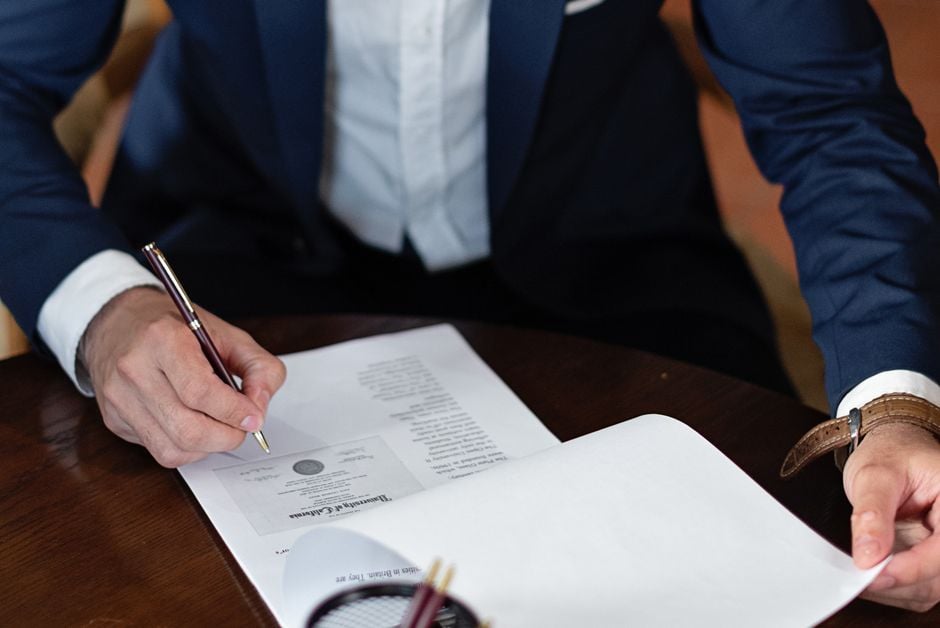
As we look deeper into winter accidents, it’s important to talk about signed MVA Cases. These are the formal agreements that attorneys have with people involved in motor vehicle accidents. During winter, we tend to see more of these signed agreements because of the rise in accidents.
1. More Accidents, More Agreements: The logic is pretty straightforward. More accidents tend to lead to more signed MVA Cases. When accidents happen, many drivers choose to sign agreements with lawyers to manage their cases efficiently. This is especially true during winter when drivers face unexpected challenges on the roads.
2. Managing Claims: Having an agreement in place helps manage claims smoothly. With signed agreements, everything becomes more organized, leaving less room for mistakes. It keeps legal processes on track, giving drivers peace of mind knowing that their legal interests are being protected.
3. Preparedness: Having these agreements ready before winter sets in means drivers are equipped to handle any accident-related legal issues. It’s like having a safety net that catches any complications from accidents, so drivers can focus more on keeping safe on the road.
The season’s unpredictability means that many drivers don’t know when or how an accident might occur, so getting signed MVA Cases started before the first big snowstorm can make a huge difference. Winter often brings chain-reaction accidents, where one slide on the ice turns into a pile-up that involves several drivers. In these cases, clear agreements help keep the facts and actions in line, so no one misses a deadline in the confusion. Attorneys with experience in winter incidents often organize resources to handle a larger caseload, making sure all new and signed MVA Cases get the attention needed.
It’s also common for certain types of accidents to spike in winter, such as rear-end collisions at red lights where drivers misjudge their stopping distance, or incidents at highway ramps where ice is slow to melt. When these situations become regular during winter, attorneys may update their intake forms to include specific winter-related questions, making signed MVA Cases easier to process with the right information. This means better support for individual clients and for the larger community.
Through the colder months, fast-changing conditions mean things can turn upside down in moments. With the right legal agreements in place, drivers and attorneys alike know exactly who will be called, what papers must be signed, and how soon claims can move forward. By setting up signed MVA Cases early, stress stays low and the process becomes easier for everyone who might find themselves in a tough situation far from home or help.
Tips for Reducing Winter Motor Vehicle Accidents
Staying safe during winter is on everyone’s mind when the snow starts to fall. Simple steps can help reduce the chances of ending up in an accident. Let’s look at a few practical tips that keep us driving smoothly through the snowy season.
- Vehicle Maintenance: The first step in being ready for winter driving is to make sure our vehicles are in top shape. This includes checking the tire pressure, making sure the brakes work well, and checking that headlights and taillights are bright and clear. Just like putting on winter boots, our cars need to be ready too.
- Defensive Driving: It’s always smart to drive defensively, but in winter, it’s even more important. This means keeping a greater distance from the car ahead of us and braking gently to avoid skidding. Slower speeds are our best friends on icy roads.
- Plan Your Route: It’s smart to know our route well before heading out and check for any weather-related news. Avoiding roads that are known for being slippery or dangerous during snowstorms can help us stay safe.
These simple steps can make a big difference in staying safe during the colder months. By focusing on vehicle readiness and adjusting our driving habits, we can reduce our chances of becoming another winter accident statistic.
But sometimes even the best-laid plans can still go sideways. That’s why it’s also good to have an emergency kit in the car, flashlights, blankets, snacks, a first-aid kit, and a phone charger. These tools help keep us comfortable and safe if we need to wait for a tow truck after a crash or breakdown. Another smart move is letting family or friends know when and where we’re traveling, especially during a winter storm or on long trips.
Winter mornings bring extra challenges too, with icy windshields, stiff doors, and time spent scraping before leaving for work. Giving ourselves extra time means we’re less rushed and less likely to take risks behind the wheel. In neighborhoods, icy sidewalks and snowbanks can hide pedestrians or pets, making slower speeds an even better idea on those roads.
Remember that snowplows and emergency vehicles are more common sights in winter. Always give them plenty of space to work and be patient, getting frustrated in winter traffic often leads to mistakes or risky driving. By being calm and focused, we help everyone on the road stay safer, and we help first responders do their jobs more easily.
Real-Life Examples and Stories from Winter MVA Cases
Stories from real-life MVA Cases highlight the dangers found on winter roads. While we can’t share specifics, thinking about common scenarios can help us learn how to avoid these situations.
1. Slippery Roads: Consider driving on a seemingly safe stretch of road when suddenly, black ice appears. Cars can skid and crash almost without warning. It shows why cautious driving is so important during this season.
2. Snowy Fellow Travelers: Say two cars are on the highway, with one slowing down due to snowfall. The other driver, not used to such conditions, misjudges the situation and rear-ends the first car. This is where MVA Retainers step in, providing legal support right away.
3. Lessons Learned: These situations remind us of the key part MVA Retainers play when the unexpected happens. Having this kind of legal help makes sure that drivers don’t have to handle the aftermath alone.
With each winter, drivers gain experience and learn new ways to improve safety, turning these stories into lessons that help the community get smarter about winter driving.
In other cases, multi-car pileups on icy highways have led to confusion and uncertainty, with dozens of vehicles involved. In those moments, knowing you have legal support from MVA Retainers can turn a stressful experience into a more manageable situation. It helps everyone stay focused and organized, from gathering information at the scene to working with insurance and police after the fact.
Drivers who have worked through challenges in past winters often say they now drive with different habits, extra space in front, lights on all day, making full stops at all intersections, or keeping an eye out for hidden driveways and icy offramps. Hearing about these everyday experiences encourages others to do the same and be more mindful in tough conditions.
Attorneys also play a big role behind the scenes. After a storm, law offices sometimes work double-time to fit in new consultations or organize multiple accident claims from the same icy morning. MVA Retainers keep those cases on track, making sure everyone gets the attention they need, and helping clients feel less lost after a sudden winter event.
How Winter Leads Can Help Attorneys Support More Clients
The winter spike in MVA Cases is not just a hurdle for drivers, but also for attorneys trying to manage the higher caseload that comes with icy weather. We use AI technology and multi-channel advertising to deliver exclusive, real-time MVA leads to attorneys. With pre-qualified and exclusive leads, attorneys can connect quickly with drivers in need of representation during peak accident seasons, helping them support more clients efficiently and maximize their ROI when it matters most.
Thanks to reliable winter leads, law firms can adjust resources and plans to meet incoming demand. Preparing in advance lets attorneys schedule extra staff and keep systems running smoothly, even during intense winter storms. This preparation makes sure that no client gets left behind or waits too long, helping both attorneys and those seeking legal help through the season’s roughest patches.
Another benefit of having exclusive leads is improved response time. Drivers appreciate quick, clear communication after an accident, especially in cold or dangerous conditions. When attorneys are equipped with solid leads and clear processes, everyone benefits from straightforward, prompt service. This support builds trust and confidence, making winter accident cases smoother for all involved.
Winter leads also provide valuable data about where and why accidents are most common. Attorneys can use this information to share safety reminders with clients, reach out in high-risk areas, or refine intake processes that fit the season. The goal is always to help as many drivers as possible, giving them solid support every step of the way.
Confidently Navigate the Winter Surge
As the winter season creates new risks on the road, being proactive with legal agreements and leveraging qualified leads helps attorneys and drivers stay ahead of the challenges. Smart preparation, combined with expert legal help, makes all the difference in managing winter roads safely.
Prepare for the unexpected challenges of winter driving by securing comprehensive legal support with signed MVA cases. Accidents are more frequent in icy conditions, and having a solid plan can make a big difference. With Exclusive Leads Agency, we provide essential support and guidance to keep you focused on the road ahead. Explore how signed MVA cases can prepare you for winter’s unpredictable roads.