
Winter can make things tricky when it comes to motor vehicle accident cases. When snow falls and roads get icy, accidents tend to happen more often. Settling these cases during the colder months requires some special know-how, especially in a place like Leads, where winter weather can really change things. This is where MVA Retainers come into play. They’re super important in making sure everything runs smoothly, even when everything else feels like it’s frozen in place.
MVA Retainers act as a kind of safety net during the busy winter months. They help lawyers and clients know exactly what to expect. This way, all the important details are sorted out before the icy weather hits. We’ll take a closer look at how MVA Retainers work to keep the settlement process moving along without winter causing too much of a stir.
Winter often evokes imagery of snow-covered streets and challenging commutes, but for attorneys handling motor vehicle accident (MVA) cases, it means much more. The complexity of navigating claims, coordinating with insurance companies, and staying in step with court schedules becomes heightened by snowfall and icy roads. This is where the foundation provided by effective MVA Retainers helps create stability. Through structure and foresight, these agreements reduce friction in the process and allow for continued momentum, no matter how much snow falls outside.
The true success story of winter settlements isn’t just about preparing for blizzards on the roads, but also preparing legally. By laying a strong foundation with the right agreements in place, all parties involved understand their roles and obligations, so they can act proactively instead of reacting to problems after they arise. This proactive mindset is a cornerstone of efficient legal work in winter.
Understanding MVA Retainers
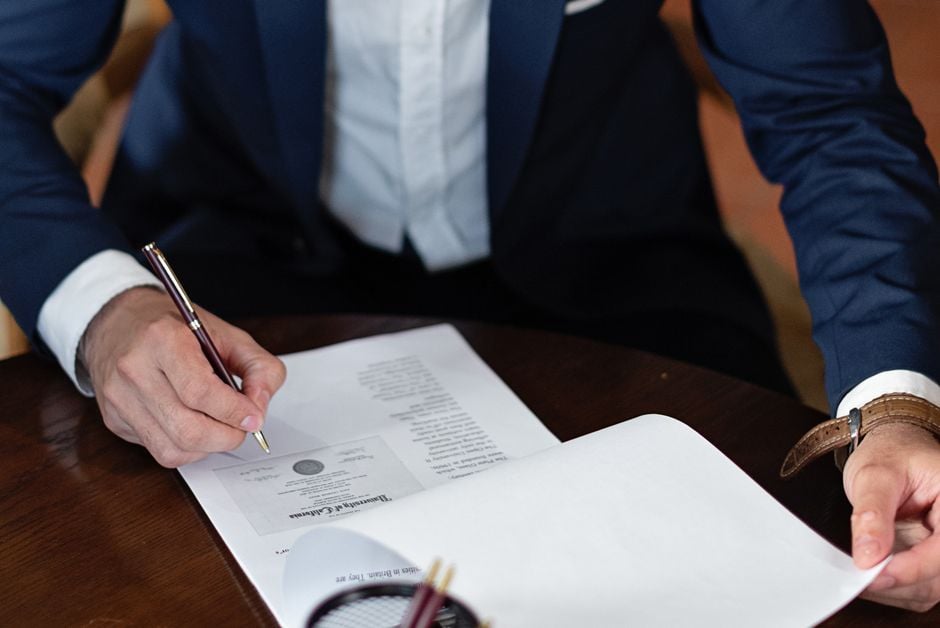
So, what exactly are MVA Retainers? Think of them as agreements that set the groundwork for handling accident cases. These retainers outline how attorneys will manage clients’ needs and how everything will be handled. More specifically, they spell out the services that will be provided and the expectations from both sides. It’s like having a plan drawn up before the first snowflake falls.
During winter, these retainers become even more important. The cold season brings a lot of uncertainty. Roads can get dangerous, communication might slow down because of storms, and even getting around can be tough. MVA Retainers make sure there’s no guessing when it comes to who does what, keeping the focus on resolving cases efficiently.
The benefits of having a retainer are pretty big for both lawyers and their clients. For attorneys, it means they can clearly understand their client’s needs and plan the best approach to help. For clients, it gives them peace of mind knowing that everything is organized and there won’t be any surprise changes, which is especially comforting when the weather isn’t cooperating.
Retainers also serve as a reference point throughout the case, helping to quickly clarify any questions that might arise as conditions change. If, for example, a sudden storm closes local offices, both sides know what the next step is because it’s outlined in the initial agreement. This sense of predictability builds trust and helps both parties stay on course.
An MVA Retainer specifies not just the scope of representation, but how updates will be communicated, how emergencies are handled, and what happens if court sessions are postponed due to inclement weather. The more specific and customized the retainer is, the easier it is to tailor the settlement approach to the client’s needs as well as the realities of the winter months.
Moreover, these retainers encourage both parties to gather information early, ensuring that essential evidence is secured ahead of the most severe winter events. Photos, reports, and records collected beforehand are less likely to be compromised by bad weather. This preparation strengthens cases and prevents a mad rush when deadlines approach and winter’s unpredictability looms.
The Impact of Winter on MVA Cases
Winter brings a set of unique challenges that can complicate MVA Cases. When the temperatures dip and snow starts to pile up, roads become risky, increasing the chances of accidents. These cold months often mean more incidents, and with them, more cases to handle. Dealing with an MVA Case during this time is like trying to solve a puzzle with extra pieces.
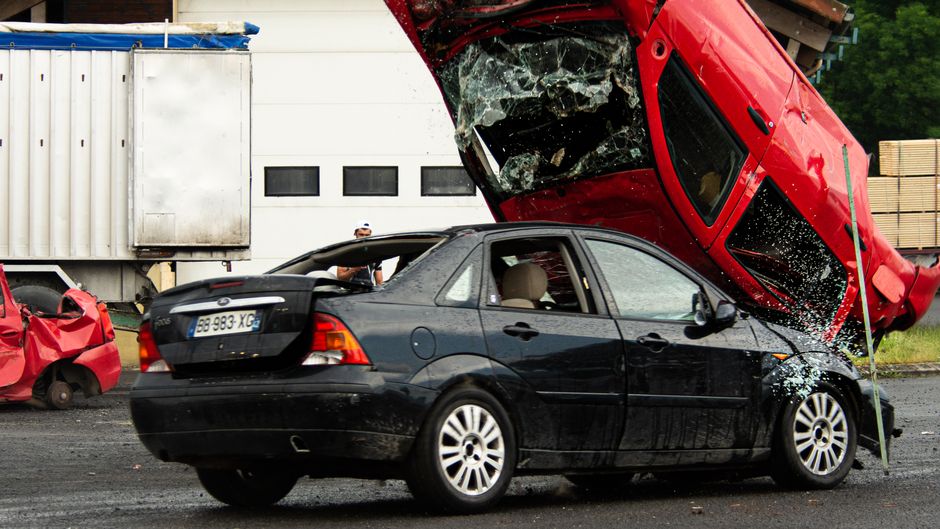
Weather conditions can lead to harder cases to manage. Icy roads and heavy snowfalls mean accidents can pile up, sometimes literally. When accidents occur in snowy conditions, gathering evidence or getting witnesses can become a challenge. Trying to sort out what happened in a bumper-to-bumper pileup when everything’s covered under a thick blanket of snow shows why being prepared is necessary.
Documentation plays a big role here. Having all records in order before winter storms hit can make a difference. This means keeping track of everything from traffic reports to weather conditions at the time of the accident. It’s all about keeping a sharp eye on details so cases are less likely to slip through the cracks. Preparation doesn’t just smooth out the bumps in the road, it helps keep cases moving even when winter tries to slow things down.
By the time the season is in full swing, attorneys in places like Leads understand the necessity of anticipating these seasonal hurdles. Having MVA Retainers ready helps lawyers tackle these challenges head-on. While the snow might cause traffic and daily life to slow, a well-prepared case file means legal processes can stay on track, no matter how chilly things get outside.
Because of winter’s impact, attorneys have to take special care with accident scene investigations. Snow and ice can distort or hide physical evidence, making it important to conduct investigations swiftly. If not, critical tire marks or vehicle positions may be lost, which could weaken the case. As such, attorneys often coordinate with accident reconstruction experts earlier in the season and arrange for swift evidence preservation measures. These steps can help make the story of the accident more complete, aiding in reaching fair settlements.
Winter also creates communication barriers. Storms may cause power outages, affect phone services, or make it unsafe for people to travel for depositions or court appearances. This results in missed appointments or hearing dates that need to be rescheduled. A flexible approach, supported by proactive communication protocols, is crucial for managing these interruptions with minimal disruption.
Additionally, the court system itself can experience seasonal slowdowns. Case filings and approvals may take longer due to staff shortages or weather closures. All of this highlights why organized recordkeeping and agreed-upon procedures, like those outlined in a comprehensive retainer, are so valuable when the season turns harsh.
How MVA Retainers Aid Efficient Settlements
MVA Retainers play a key role in keeping the legal process running smoothly during chilly months. They help make sure that everything is lined up perfectly. Communication is vital in any legal case, and these retainers ensure that there are no crossed wires. Both the attorney and the client know exactly where they stand, helping to prevent any surprises when things get hectic.
One of the greatest strengths of MVA Retainers is their ability to speed up case resolutions, even when the weather isn’t cooperating. With everything laid out clearly from the start, both sides know what needs to be done and by when. This planning helps wrap up cases faster, bringing relief to clients and lawyers alike during the busy winter period.
A good MVA Retainer doesn’t just stop at outlining representation, it covers how urgent matters are handled, what happens if travel isn’t possible, and what forms of digital communication are acceptable. This kind of preparation minimizes downtime caused by winter weather surprises. For example, if ice keeps a party or witness from appearing in court, the retainer should note how rescheduling is coordinated, including any fees or paperwork involved.
Retainers also establish the payment structure, which is essential when cases stretch on longer than anticipated due to winter delays. Clear terms about billing, contingency fees, and what happens if the scope of work shifts (for instance, moving a trial to a later date) prevent disputes and let everyone focus on getting the best outcome.
Despite winter causing some unpredictability, having all parties agree to a process for sharing updates (such as regular emails or check-ins) helps maintain client confidence and reduces anxiety. It keeps everyone aware of where things stand. If snow cancels a hearing or meeting, clients appreciate knowing they will be in the loop immediately about any new developments.
With the retainer acting as a constant point of reference, both lawyer and client can always refer back to it if uncertainties arise. This sense of order in an otherwise turbulent season drives efficiency and keeps negotiation and settlement progressing.
Best Practices for Using Signed MVA Retainers
Now, let’s look at some best practices for using signed MVA Retainers effectively.
- Getting these agreements in place before the winter chill sets in is always a smart move. This proactive approach means that both clients and lawyers are prepared for any bumps the winter might throw their way.
- Having signed MVA Cases established early gives everyone a map to follow when things start to get slippery.
- Adapting and updating retainers to deal with winter-specific challenges can make all the difference. Roads might close, meetings might need to shift online, and cases might face delays. By keeping the retainer flexible and revisiting it often, attorneys can be ready to handle any twists that arise. This adaptability ensures that roadblocks are less likely to catch anyone off guard.
- Being upfront with clients about what to expect is also important. Setting realistic timelines and explaining the unique hurdles that winter might pose means everyone has the same understanding. These discussions keep expectations in check and help avoid misunderstandings along the way. When clients feel informed, they are more likely to trust the process, making it easier for everyone involved.
Another practice is to regularly audit your file management system before winter arrives. Double-check that templates, digital documentation procedures, and client intake protocols are up to date. Make sure that staff are aware of any updates to retainer language that might pertain to severe weather events, ensuring quick reference if circumstances change suddenly.
Reviewing signed agreements for flexible language is also crucial. Consider adding language that clarifies how tasks will be handled if court dates, discovery deadlines, or meetings are delayed for weather-related reasons. This demonstrates to clients that their interests will remain protected, even when the unexpected happens.
Also, be mindful of legal technology updates. Winter can cause heavier reliance on remote work platforms. Attorneys should make sure their retainer templates or onboarding processes include instructions for digital meetings, electronic document signing, and how to securely share sensitive materials online. This focus on clear digital policies prevents confusion and keeps communications efficient.
Keeping a checklist of winter-specific client needs lets attorneys offer extra value. For instance, reminding clients about the importance of photographing vehicles before snow is removed, or encouraging them to record witness statements as soon as possible after an accident, can make all the difference if roads become impassable.
Lastly, make sure to schedule periodic client check-ins throughout the winter season. This keeps the process on track, reaffirms expectations, and helps address any anxiety caused by weather-related delays. With so many moving parts in an MVA case, regular contact can be the glue that holds everything together.
Legal Strategies for Winter MVA Settlements
Practical strategies can help attorneys tackle the cold weather challenges that come with winter MVA Cases. Gathering evidence can be tricky when snow and ice cover everything, so it’s smart to think ahead. Taking early action to collect as many details as possible will help keep the case strong even when the weather doesn’t cooperate.
Another strategy is managing possible court delays. Snowy roads and icy conditions can lead to rescheduled court dates. Staying on top of weather forecasts and having a backup plan for transport or virtual meetings keeps cases on track. Keeping communication open with all parties involved will make sure delays don’t disrupt the progress made.
Flexibility is helpful here. Being willing to adapt legal approaches based on how the winter unfolds is key to keeping cases flowing. Whether it’s shifting meeting times or reevaluating timelines, having this agility in legal strategies makes sure winter weather will not bring everything to a halt.
A prudent approach to winter settlements involves careful witness management. Analyze potential witness availability and ensure testimony is collected early, so the story won’t be lost if later access becomes impossible. Similarly, if expert testimony, such as an accident reconstruction or weather analysis, is required, retain these professionals well ahead of time, as their schedules can fill up quickly during the season.
Another tactic is revisiting negotiation tactics based on the realities of the season. Opposing parties may also be impacted by winter delays, so attorneys should be ready to propose alternative settlement approaches or timelines. For instance, temporary agreements or partial settlements may help clients find resolution, even as some issues wait on clearer weather.
Having a communication chain or a single point of contact for emergencies also helps resolve issues quickly, should winter’s unpredictability create last-minute complications. This ensures that if transportation becomes impossible, documents are misplaced, or hearings are unexpectedly rescheduled, there’s always a clear avenue for quick decisions.
Overall, blending agility with preparation is critical for managing MVA cases through the storms of winter. By adjusting approaches to fit the specific difficulties of the season, attorneys stay resilient and their clients remain reassured.
The Role of Technology in Managing Wintertime MVA Cases
Technology is here to lend a hand during the tough winter months. Tools like virtual meetings and digital documentation help when travel becomes difficult. Meeting online means clients and attorneys can keep talking, even if getting out the door isn’t an option. Digital storage also keeps all important documents just a click away, tucked safely away from the winter’s chill.
Implementing AI-driven lead generation for case management is helpful. Having access to exclusive leads through services like Exclusive Leads Agency allows attorneys to target specific clients without wading through unwanted prospects. This targeted approach saves time and resources, letting attorneys focus on what truly matters, settling cases effectively.
Technology keeps everything moving smoothly when snow tries to slow things down. By using these advancements, attorneys are prepared to handle the frosty challenges winter can bring with ease.
Using secure online portals for document sharing streamlines discovery and keeps details confidential while preventing delays caused by physical paperwork. E-signature tools let clients and attorneys sign agreements or authorizations from the comfort and safety of their homes, reducing the risk of timeline interruptions due to weather.
Case management software, especially those with calendar tracking, automated reminders, and workflow management, ensures that nothing is overlooked as traffic and court schedules shift rapidly during winter months. Such platforms also facilitate detailed progress logs, so every action and communication is documented, even if conducted remotely.
Additionally, video conferencing maintains the momentum of consultation, negotiation, or even mediation when holding in-person meetings is impractical. Attorneys and clients can still review evidence, discuss strategy, and push cases forward without delay. This modern connectivity means that even when the weather outside is frightful, legal work remains productive and collaborative.
Finally, attorneys who prioritize technology literacy among their staff create a more adaptive and ready-for-anything office culture. Whether it’s ensuring everyone knows how to upload secure files or how to set up a video call, this investment pays dividends throughout the challenging winter months.
Preparing for Winter MVA Case Challenges
MVA Retainers are helpful in managing winter settlements. They help plan and guide attorneys and clients through tricky paths that cold weather often presents. Being prepared and having strong, clear agreements in place can turn an otherwise complicated season into a more controlled and organized one.
We must remember the power of taking proactive steps, like having well-drafted retainer agreements and using technology to support our work. These elements form the backbone of a solid strategy for tackling winter’s unique challenges. As we move forward, keeping these strategies close will help make sure that MVA Cases are managed as smoothly as possible, even when surrounded by snow and ice.
The unique intersection of weather unpredictability and legal complexity makes preparation more than just a routine task during winter, it becomes essential risk management. Having all parties briefed on action plans, channels of communication, and file access protocols is crucial. Failing to plan for these challenges can mean lost evidence, unhappy clients, and even adverse legal outcomes.
By starting preparations in advance, reviewing every case file for gaps, and touching base with all clients regarding winter-specific steps, attorneys put themselves in the best possible position to weather any storm. This organized approach also reassures clients, who may already be overwhelmed by the aftermath of a winter accident, that their case is in attentive hands.
Furthermore, fostering a strong relationship between legal professionals and clients depends on setting clear, reasonable expectations. Winter may slow roads and delay some court actions, but it does not have to derail legal efforts. By updating agreements, confirming how digital tools will be used, and regularly checking in, even just to update on weather closures, attorneys keep clients calm and engaged.
Winter conditions can complicate motor vehicle accident cases, but there’s no need to face these challenges alone. Let structured support systems like MVA leads help your cases run smoothly, no matter the weather. At Exclusive Leads Agency, we offer the assistance you need to maintain efficiency and focus throughout the season. Don’t let winter slow your progress—strengthen your legal strategy today.