
Winter is a challenging time for everyone on the road, and for those working on Motor Vehicle Accident (MVA) Cases, it can mean dealing with a lot more than just snow and ice. When it comes to handling signed MVA Cases, preparation is key, especially as the weather gets colder. In Leads, getting everything ready before winter takes hold helps in managing cases effectively despite the icy roads and freezing temperatures. It’s all about making sure that attorneys and their clients have a solid plan in place to face the unique issues that the season might bring.
Having “signed MVA Cases” ready helps set clear expectations between attorneys and clients, which can significantly ease some of the pressures that the season brings. With unpredictability in weather, traffic, and court schedules, being prepared with organized case files and agreements brings peace of mind. This ensures that everyone is on the same page, reducing confusion and helping everyone focus on finding solutions instead of getting bogged down by administrative issues. Let’s look at how we can handle these cases smoothly this winter.
Winter’s lasting impact is not limited only to the roads themselves, but to travel schedules, the availability of witnesses, and even how quickly a case can progress through the court system. Oftentimes, snow and ice do not just cause more accidents but also add unexpected delays in scheduling meetings, evidence collection, and court appearances. These disruptions can make a straightforward case more complex and frustrating for both clients and attorneys. Therefore, entering the season with well-documented, signed agreements and clear organizational processes in place is an essential step toward preventing backlogs and confusion.
Whether you are a legal professional or a client, embracing a proactive mindset at the start of the winter season helps maintain productive relationships and improves outcomes. With clearly documented communication protocols and mutual understanding on both sides, cases are less likely to fall victim to the chaos that winter sometimes brings. The following sections offer a deeper look into the challenges the season poses, and how best practices can transform those challenges into manageable, and even predictable, parts of the process.
Understanding MVA Cases in Winter
MVA Cases involve legal scenarios related to motor vehicle accidents, which often include lots of paperwork, evidence collection, and coordination with insurance companies. During winter, these cases can become a bit more complex. The season often brings challenges like snow-covered roads, poor visibility, and unpredictable weather conditions, all of which can lead to an increase in accidents and thus, MVA Cases.
Winter-related issues often make handling these cases a little more tricky. For example, when roads are icy and covered in snow, accidents tend to happen more frequently. This not only increases the number of cases but also adds pressure to gather evidence quickly before bad weather can obscure or destroy it. Photos taken during snowstorms may not clearly show what happened, and witnesses might struggle to remember fine details if visibility was poor.
Apart from collecting evidence, there are more logistical and legal hurdles that arise specifically in winter months. Police reports may take longer to process if officers are inundated with accident scenes, and snowy conditions can affect the accuracy of accident reconstructions or scene measurements. Insurance adjusters, too, may be slower to respond due to volume or seasonal staffing challenges.
To tackle these challenges, the value of early preparation and communication is huge. It’s smart to get started on gathering all necessary documents before the weather turns harsh. This includes making sure all agreements are signed and communication between attorneys and clients is clear. Keeping lines open helps avoid misunderstandings that can lead to delays. Making sure everyone knows what’s expected and is prepared for winter’s challenges can make all the difference in managing these cases smoothly.
In addition to paperwork, understanding and anticipating the nuances of winter driving can help improve the ability to interpret accident dynamics and liability issues. For example, what appears to be driver error in dry conditions may simply result from unavoidable slips in black ice. Having this foresight allows legal professionals to guide clients on gathering the right evidence and framing their claims appropriately, maximizing the likelihood of a favorable outcome.
The Importance of Signed MVA Retainers
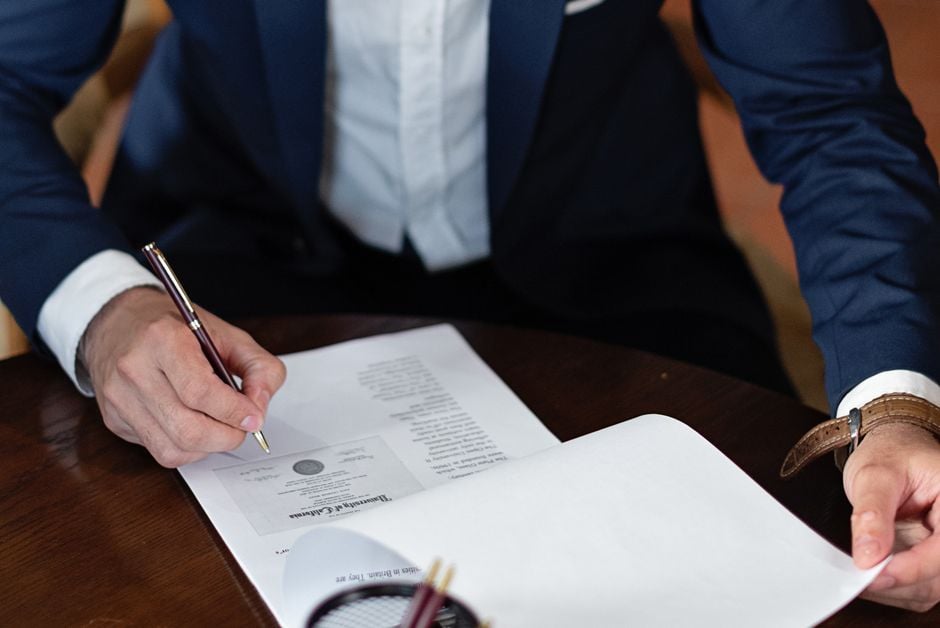
A signed MVA Retainer is basically an agreement between attorneys and clients that outlines how a case will be handled. These documents play a big role in setting expectations from the get-go. They explain what services will be offered by the lawyer, how communication will be carried out, and what steps each party must follow. When both sides sign these retainers early, it helps ensure that everyone is aligned and can focus directly on handling the actual case, especially during the hectic winter months.
Having signed MVA Retainers becomes more important as winter sets in. For instance, if icy roads lead to more accidents, having a clear understanding of each party’s responsibilities helps manage the situation without added stress. When tough weather conditions come into play, these agreements provide a structure that both clients and attorneys can rely on, even when things get chaotic.
Additionally, MVA Retainers typically specify billing procedures, frequency of updates, and how unexpected developments will be communicated and handled. By delineating these details in advance, attorneys help their clients understand what to expect in terms of timelines, costs, and procedural changes. This transparency lessens the anxiety that can arise when factories or courts close due to snow or when key deadlines are postponed because of weather emergencies.
This helps avoid risks related to unpredictability in winter and allows attorneys to focus on addressing the unique challenges of each case rather than getting caught up in misunderstandings or missing documents. Proactively having these retainers signed means you’re ready to react quickly and efficiently to the extra hurdles that winter might bring. It makes sure that as weather conditions fluctuate, the focus remains on delivering the best possible outcome for clients in Leads. By having everything agreed upon ahead of time, there’s less room for error, making it easier to manage signed MVA Cases confidently through winter’s ups and downs.
Having a signed retainer also clarifies what happens if appointments need to be rescheduled or if communication shifts to virtual meetings due to office closures. With these processes already agreed upon, there are fewer interruptions in case progress, and clients are less likely to feel left in the dark during periods of unpredictable weather.
Preparing for Winter Challenges
Winter brings its own set of hurdles when managing MVA Cases. Icy roads are a major concern since they can lead to more frequent accidents, and this means more cases to handle. Delayed court proceedings are another issue, as snowstorms can shut down offices and make travel difficult. To stay ahead of these challenges, early preparation is key. Attorneys can start by reviewing client cases as soon as winter is on the horizon. This makes sure that all paperwork, like the important MVA Retainers, is in order so nothing holds back case progress.
Proactively planning by checking weather forecasts and anticipating possible delays can also make a big difference. By knowing which days might be best for meetings or court appearances, attorneys can avoid unnecessary rescheduling. Collaboration with clients and other team members keeps everyone informed and prepared for any sudden changes. When everyone works together to face winter’s unpredictability, it leads to smoother case handling and less stress all around.
Scheduling flexibility is another important ingredient in winter readiness. Attorneys should communicate to clients and opposing parties alike the possibility of needing to shift meetings or court dates on short notice. This can be part of a broader winter contingency plan that also includes remote work options, creating shared calendars, and setting up backup communication channels. Developing these plans well before winter weather arrives reduces confusion and makes it easier to keep cases on track.
It’s also useful to prepare by identifying key case deadlines that may fall in the peak of winter storms, then shifting less urgent work to earlier or later periods where feasible. This prevents a bottleneck effect and provides breathing room if unforeseen weather events impact operations. Prioritizing the review and preparation of cases already in progress makes it less likely that any one file will become lost in the shuffle during a particularly busy week of accidents and claims.
For clients, attorneys can offer checklists or reminders, reviewing needed evidence or required actions that should be completed before hard-to-navigate weather sets in. This engagement establishes a stronger sense of teamwork and accountability that carries through rough patches smoothly.
Effective Communication with Clients
When it comes to managing MVA Cases in winter, communication is a true ally. Being clear and consistent with clients can significantly reduce misunderstandings. During winter, when schedules might change because of bad weather, it’s important to keep clients in the loop. Regular updates make sure they’re aware of any changes or developments in their case.
Using multiple channels to communicate, like email, phone calls, or messaging apps, makes it easier to reach clients during unpredictable times. Reminding them of what to expect and the next steps they need to take keeps everything running smoothly even if the weather is acting up. By taking these steps, everyone involved stays on the same page, helping create more effective case management.
Clients will appreciate knowing early if there are anticipated delays or if they need to participate in virtual meetings rather than in-person conferences due to inclement weather. An informed client experiences less frustration, feels valued, and is more likely to cooperate proactively throughout the case process.
A particularly effective practice is providing a communication schedule, outlining how frequently clients will hear updates and what kind of news will be communicated right away. For instance, attorneys can assure clients they will provide same-day updates if court schedules are disrupted, or confirmations when paperwork is received or filed. This level of routine contact can transform a stressful period into one marked by consistency and trust.
Attorneys and staff should also remain reachable even on snow days, either by setting up office call-forwarding systems or using secure email and chat platforms. Encouraging clients to do the same, by ensuring that they, too, check their messages regularly, means important decisions and actions do not get stalled by the weather.
When issues arise, such as late evidence or missed meetings, addressing them directly through open and honest communication avoids further complications. A simple and prompt explanation about the impact of winter weather, along with a brief plan for how the team intends to keep the case on track, demonstrates diligence and reassures the client that their matter is receiving ongoing attention.
Leveraging Technology for MVA Cases
Technology proves helpful for managing MVA Cases, especially during winter. Bad weather can make in-person meetings difficult or even impossible, but digital tools offer a solid workaround. Video conferencing and document-sharing platforms help legal teams and clients stay connected without the need for travel.
These digital solutions make sure that everyone can communicate and access case documents easily. Even with snowy and icy disruptions, keeping cases on track becomes much more manageable. Software for organizing and monitoring case progress is also helpful. It provides a clear overview of deadlines and responsibilities, helping attorneys stay organized. Relying on technology means being prepared, no matter what surprises winter has in store.
Modern case management systems let attorneys share timelines, upload new evidence, assign tasks, and send automatic reminders, reducing the need for back-and-forth phone calls or physical meetings. Cloud-based document storage makes essential files available from anywhere, which is crucial if a snowstorm temporarily closes law offices or the courthouse.
E-signature platforms further expedite processes that might have previously required courier services or postal delays, offering quick turnarounds and ensuring all documentation stays up-to-date, even during the worst of winter. These systems also help track who has reviewed or signed documents and when, providing an audit trail that promotes accountability for both legal professionals and clients.
Text notifications and secure messaging apps have proved to be especially valuable in alerting clients to any last-minute changes or urgent requirements. Video calls, screen-sharing, and online collaboration tools help teams and clients review documents together or talk through case strategies in real time, no matter where they are sheltered from the cold.
By incorporating these digital tools and workflows early in the winter season, attorneys help create a system of continuity, bridging the gap during periods of physical absence from the office, and allowing important work to continue smoothly.
Best Practices for Handling Signed MVA Cases
When it comes to successful management of signed MVA Cases, best practices really shine during winter. One strategy is staying organized and keeping precise records. This means details don’t get lost in the midst of winter chaos. Having all documents, such as signed MVA Retainers, properly filed allows everyone to stay focused on the case itself without worrying about any missing paperwork.
Another strategy is regularly reviewing case priorities, as winter conditions might require shifting focus quickly. When cases are managed with care and clear guidelines, problems like delayed communications or document misunderstandings can be addressed quickly. Flexibility and preparedness are the keys to adapting strategies to fit any conditions that the season might bring.
To further refine case management, attorneys can designate a staff member to monitor weather alerts or potential impacts to court schedules and then proactively relay that information to legal teams and clients. This kind of foresight not only prevents missed deadlines but also enhances the reputation of a law office as being responsive and reliable.
Frequent internal check-ins within the legal team can ensure everyone knows the latest status on ongoing cases and upcoming deadlines. When winter throws a curveball, having team members ready to step in for each other minimizes disruption and keeps cases from coming to a halt due to staff absences or travel issues.
Encouraging a routine of contingency planning during case preparation gives everyone a roadmap to follow if original plans go awry. This includes having extra copies of evidence stored offsite, setting up redundant internet or phone lines, and training staff on remote work procedures. Such planning helps attorneys pivot effortlessly from in-office to remote work, and enhances resilience in the face of unpredictable changes.
Furthermore, the use of templates for file naming, document storage, and case notes streamlines administrative work. It ensures that critical files can be accessed quickly and that no important details get lost in translation when shifting from paper to digital environments, or from one staff member to another.
Another helpful practice is compiling a checklist of all winter-specific actions to take when managing MVA Cases. These might include confirming that evidence has been collected before predicted storms, completing due diligence on accident conditions unique to winter (like black ice or snowbanks), and scheduling critical witness interviews for days with good weather forecasts.
By maintaining flexibility, embracing technology, and prioritizing organization, attorneys establish a solid foundation from which to handle an increase in winter case volume, as well as the stress and unpredictability that often come with it.
Maximize Winter Case Success with Exclusive Leads
For attorneys seeking to boost their efficiency this winter, Exclusive Leads Agency provides pre-qualified, exclusive MVA leads in real time. By leveraging AI and multi-channel advertising, attorneys receive leads that are never resold, enabling faster client intake and ensuring no opportunity is missed during the seasonal uptick in accident cases. Having reliable leads can help keep caseloads active and case progress steady even in the busiest periods.
Conclusion: Achieving Smooth Winter Case Management
Handling signed MVA Cases during the winter months does not have to be stressful. With well-considered strategies in place, both attorneys and clients can manage the season’s challenges confidently. By focusing on early preparation, clear communication, and using digital tools, managing these cases becomes a much more straightforward task. MVA Retainers play a big role in maintaining focus and making sure that everyone knows their responsibilities. This approach reduces stress and supports efficient case handling all winter. Through preparation and teamwork, successful management of MVA Cases is within reach, no matter the weather.
As winter brings unique challenges to managing signed MVA cases, staying prepared is crucial. At Exclusive Leads Agency, we understand the importance of getting reliable assistance when you need it most. Enhance your practice with MVA leads that offer direct, pre-qualified opportunities to keep your cases moving smoothly. Equip yourself with the right tools and plan for an efficient winter by connecting with our team today.