
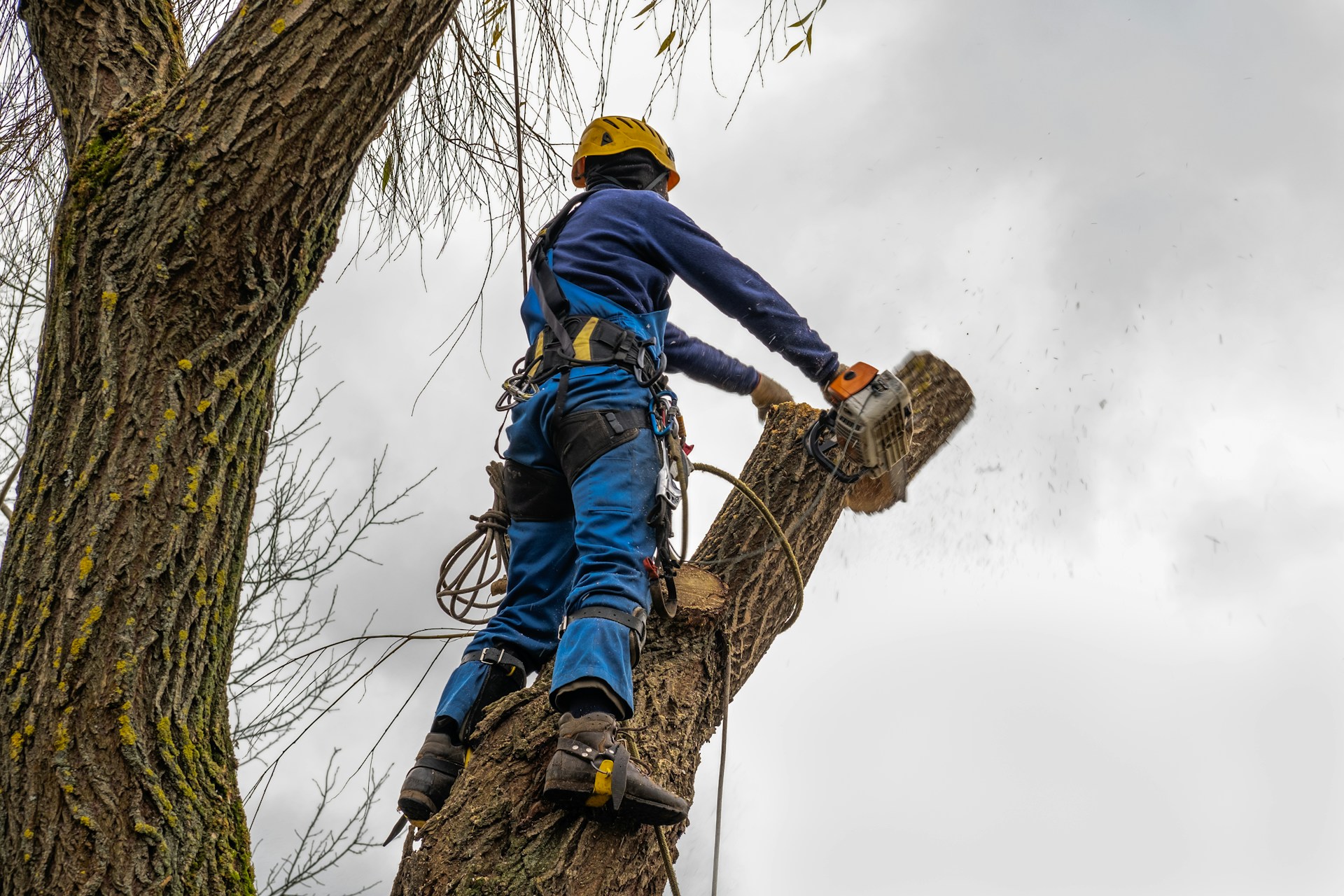
Tree work does not have to be a roller coaster. When your crew is slammed after a storm, then sitting around a few weeks later, the real problem is not your work quality. It is the kind of tree service leads you get and what you do with them. If you want steady, repeat revenue, you need a pipeline of people who are not just in panic mode, but who care about long-term tree health and safety on their property.
In this article, we will walk through how exclusive, high-intent tree service leads can turn into recurring jobs, not just one-and-done calls. We will look at what makes an exclusive lead different, how AI helps you connect with the right homeowners at the right time, and simple steps to turn that first visit into yearly pruning, inspections, and maintenance work.
How Exclusive Tree Service Leads Become Repeat Revenue
Many tree service owners know the same pattern. A big windstorm hits. Trees fall. Branches snap. For a short time, the phone does not stop ringing. Your crew works long days. Trucks are out from morning to night. Then, a few weeks pass. The cleanups are done. The emergencies slow down. Suddenly, the calls fade and your team is waiting around for the next big weather event.
That feast-or-famine cycle wears you out. It is hard on your crew and it makes it tough to plan for gear, trucks, and staffing. You cannot build a strong tree business on random bursts of panic calls. You need a predictable flow of good-fit leads who care about more than one emergency removal.
This is where high-intent, exclusive tree service leads come in. Instead of chasing every random call, you focus on people who are already thinking about:
- Keeping big trees healthy and safe over time
- Reducing storm damage risk before the season hits
- Keeping their yard or commercial property looking clean and well-kept
These are the homeowners and property managers who are more likely to say yes to regular pruning, safety checks, and contracts.
At Exclusive Leads Agency, we use AI to find and attract this kind of prospect. Our goal is to match you with people who are actively looking for help with ongoing tree care, not just the cheapest emergency cut they can find that day. When the right people contact you in real time, it is much easier to turn that first job into a long-term relationship.
Why One-Off Jobs Keep Your Tree Crew Stuck
Busy days feel good, but not every job is good for your business over the long run. One-off work can keep your schedule full while still keeping your bank account stressed. The issue is often the quality and type of tree service leads you are working with.
Shared, generic leads usually bring problems like:
- People calling three or four companies at once, just to compare price
- Shoppers who only care about the cheapest possible quote
- Unqualified callers outside your area or asking for work you do not want
When multiple tree companies get the same lead, the conversation often turns into a bidding war. The person on the other end of the phone feels no loyalty. They are not asking who is best for ongoing care. They are asking, “Who is the cheapest right now?”
Discount-driven jobs, such as someone only wanting a low-price stump grind or a quick limb cut, rarely grow into more. These callers are not thinking about yearly pruning or long-term tree health. They want a small favor fast. Once it is done, you may never hear from them again.
The hidden costs of low-quality leads can add up:
- Crew downtime between jobs because work is not steady
- Schedules filled with small, scattered jobs that do not fit your route
- More no-shows or last-minute cancellations from people who are not serious
On top of that, it is almost impossible to plan your future revenue when your work is based on random calls and low-intent buyers. You may have a packed schedule one week, then barely any confirmed jobs the next. That makes it hard to invest in equipment, training, or hiring, because you never feel sure about what is coming.
When your lead flow is built on one-off jobs and price shoppers, you are stuck working in your business instead of growing it. To change that, you need better leads from day one.
What Makes an Exclusive Tree Service Lead Different
An exclusive tree service lead is different from the start. It is not just a person who filled out a generic form and got sent to every tree company in town. It is someone who matches your service area and your intake criteria, and that lead is sent only to you.
When we say exclusive, we mean:
- One tree company per lead, not five companies fighting over the same person
- No lead recycling among competitors
- No race to the bottom where price is the only thing that matters
This matters because the tone of the conversation changes. You are not one of many random calls. You are the tree company they are now talking with. That gives you space to understand their property, their concerns, and their future needs.
Strong intake questions help qualify each lead before it ever gets to you. These can cover things like:
- Service area, making sure the property is in your preferred zones
- Property type, such as residential, small business, large commercial, or HOA
- Job type, including removal, pruning, risk assessment, or storm cleanup
When someone reaches you after passing through these steps, they are already a better fit. For example, if your best margins are in pruning and maintenance, you can focus your intake on people who:
- Talk about overgrown or mature trees near their home
- Ask about keeping trees healthy and shaped
- Want help getting ready for upcoming storms or summer growth
If your goal is more HOA or commercial accounts, you can tune the intake to:
- Multi-unit properties or managed communities
- Large lots with many trees and ongoing needs
- Owners and managers who care about safety and appearance year-round
By aligning lead criteria with what you actually want to sell, every new inquiry has a better chance of becoming a strong job, not just a random call.
How AI Targets Homeowners Ready for Ongoing Tree Care
Old school marketing often throws out a wide net and hopes someone needing tree work happens to see it that day. AI lets us be much more focused. We can look at behavior signals and patterns that show when someone is not just browsing, but actively looking for a tree service.
Here are some behavior signals AI can read:
- Search intent, such as people searching for specific tree services in their area
- Content engagement, like who is spending time reading about tree risks or pruning
- Ad interactions, for instance people clicking on messages about storm prep or safety
Instead of giving the same message to everyone, we use these signals to match messages to needs. Someone reading about “trees too close to house” is in a different frame of mind than someone watching DIY trimming videos for fun. AI helps sort these groups and send the right offer at the right time.
Seasonal timing is also a big part of this. Early summer is a key window for many tree companies. As the weather warms and storms grow stronger, people start to think about:
- Prepping for storm season so branches do not fall on roofs or cars
- Reducing fire risk by clearing dead limbs and extra brush
- Boosting curb appeal with trimmed, neat trees and clear sight lines
AI can watch for rising interest in these topics as the season shifts, then lean into those needs. That might mean more visibility for messages around hazard inspections right before the first storms usually hit, or more focus on fire risk reduction in drier periods.
We also design landing pages and messages that speak to recurring needs, not only one-time emergencies. Instead of only talking about tree removal after damage, we talk about:
- Annual pruning plans to keep trees safe and strong
- Regular hazard inspections to catch problems early
- Scheduled lot or line clearing for properties with many trees
This way, when someone fills out a form or makes a call, they are already thinking about you as a long-term tree care partner, not just a quick fix.
Turning First-Time Tree Service Leads Into Long-Term Clients
Getting a good lead is step one. Turning that first job into recurring work is where the real growth happens. You do not need a complex system to do this. You only need a steady, simple process that your team follows every time.
A basic follow-up plan can look like this:
1. Fast response
Respond quickly when a new tree service lead comes in. Speed shows you are reliable and ready to help, especially when someone is worried about a risky tree.
2. On-site estimate
Get eyes on the property as soon as you can. Walk the yard, look at nearby structures, and check for future risks like dead limbs or trees leaning toward power lines or roofs.
3. Clear maintenance plans
At the end of the visit, present a simple plan for ongoing care. For example:
- Annual pruning to keep big limbs away from the house
- Seasonal checks before the main storm season
- A basic maintenance package for all trees on the property
You want to help the customer shift from, “I had a problem,” to, “I now have a plan.”
It also helps to group your customers into simple segments, such as:
- Storm-risk properties with tall trees near roofs and driveways
- Yards with older, mature trees that need regular pruning
- Commercial lots that need clear, safe access areas
- HOAs and managed communities with shared green spaces
Once you sort leads or customers into these buckets, you can send them very focused offers. For example:
- For storm-risk yards, offer a pre-storm inspection each year
- For mature tree properties, offer a yearly health-and-shape pruning visit
- For HOAs, offer a seasonal review and update on all common areas
Consistent communication is the secret to making this work long term. Many customers mean to call you again but simply forget. You can stay on their radar by sending:
- Reminder emails before storm season, offering quick safety checks
- Fall or late-season messages about pruning and cleanup
- Short notes after major storms asking if they want a quick tree safety review
This steady contact builds trust over time. It shows you care about their property, not just about the last invoice. When they think about tree work, they think about you first, and agreeing to a maintenance contract or regular plan feels natural.
Metrics That Prove Your Tree Service Leads Are Working
If you want more recurring work, you need to track more than just how many calls you get. A few simple metrics can show if your tree service leads are turning into the kind of customers you want.
Here are key numbers to watch:
- Cost per exclusive lead: how much you pay for each new qualified inquiry
- Booking rate: how many leads turn into scheduled estimates or jobs
- Average job value: what your typical job brings in from those leads
- Repeat rate: how many jobs turn into repeat work or contracts
Cost per lead and booking rate tell you if your marketing is bringing the right people to your phone or inbox. Average job value tells you if you are booking the kind of work you want, for example larger pruning jobs instead of tiny one-off cuts.
Repeat rate is where recurring revenue shows up. This can include:
- Customers who book another service within a set time
- Clients who agree to a yearly or seasonal maintenance plan
- Contracts with HOAs, property managers, or businesses for ongoing work
Another helpful number is lifetime value per customer. This looks at everything a single customer brings in over the full time they work with you, not just the first job. When you look at leads through this lens, it changes how you judge your marketing.
For example, if one lead turns into:
- A first-time storm cleanup
- An annual pruning plan
- A referral to a neighbor or nearby business
Then that one lead could be worth several jobs over a few years. With that in mind, you start to care less about just the cost of each call, and more about whether your leads are likely to grow into long-term clients.
Feedback loops are also a big deal. When you share results back into the system, AI can continue to adjust and improve. That can include:
- Which types of jobs you win most often
- Which service areas close at higher rates
- Which lead sources turn into the most contracts or repeat work
By sending this kind of information back into your campaigns, targeting becomes sharper. Over time, your incoming tree service leads reflect more of your best customers and fewer low-intent shoppers.
Put Exclusive Tree Service Leads to Work in Your Market
To make the most of exclusive, high-intent tree service leads, it helps to get ready before you turn on any new campaigns. A little planning now makes your future pipeline much stronger and more predictable.
Start with three simple steps:
1. Clarify your ideal service mix
Decide what kind of tree work you most want more of. For example:
- High-margin pruning and shaping
- Hazard inspections and risk reduction
- Commercial and HOA maintenance contracts
2. Define your best customer profiles
Think about the customers you enjoy working with and who bring steady work. Ask yourself:
- What kind of property do they have, size and type?
- What do they care about most, safety, looks, or both?
- Where are they located relative to your base?
3. Prepare 1 or 2 maintenance packages
Turn your best services into simple, named packages. Keep them easy to explain, such as:
- Annual Safety & Pruning Plan for residential yards
- Seasonal Tree Care Program for HOAs or commercial sites
When those pieces are in place, you are ready to send clear signals into your campaigns about who you want to attract and what you want to sell.
Peak summer and storm-prep season are strong times to test and refine this system. As the weather shifts and people worry more about fallen limbs, fire risk, or clogged driveways, interest in tree services rises. With the right AI-targeted campaigns, you can:
- See which message themes pull in the most serious leads
- Learn which property types say yes to maintenance plans most often
- Adjust your intake questions so each new contact fits your best work
Over a few cycles, patterns emerge. Maybe you notice that certain neighborhoods or property types are more likely to sign recurring contracts. Or that people who respond to storm-prep messaging are more open to yearly hazard checks. Those insights help guide where you focus your time, budget, and crew.
The real goal is simple, steady growth. Instead of waiting for the next big storm, you build a base of customers who see you as their long-term tree care partner. With exclusive, AI-driven tree service leads that are qualified for your niche and intake criteria, each new call has a higher chance of turning into not just one job, but a recurring stream of work for your crew.
Turn Quality Tree Service Leads Into Steady Revenue Growth
If you are ready to fill your schedule with homeowners who actually pick up the phone and book jobs, our targeted tree service leads are built to do exactly that. At Exclusive Leads Agency, we focus on delivering exclusive, high-intent inquiries that match your ideal service area and job size. Tell us your goals and budget, and we will design a custom lead flow that you can scale as you grow. Have questions about pricing or markets we serve? Just contact us and we will walk you through your best options.