
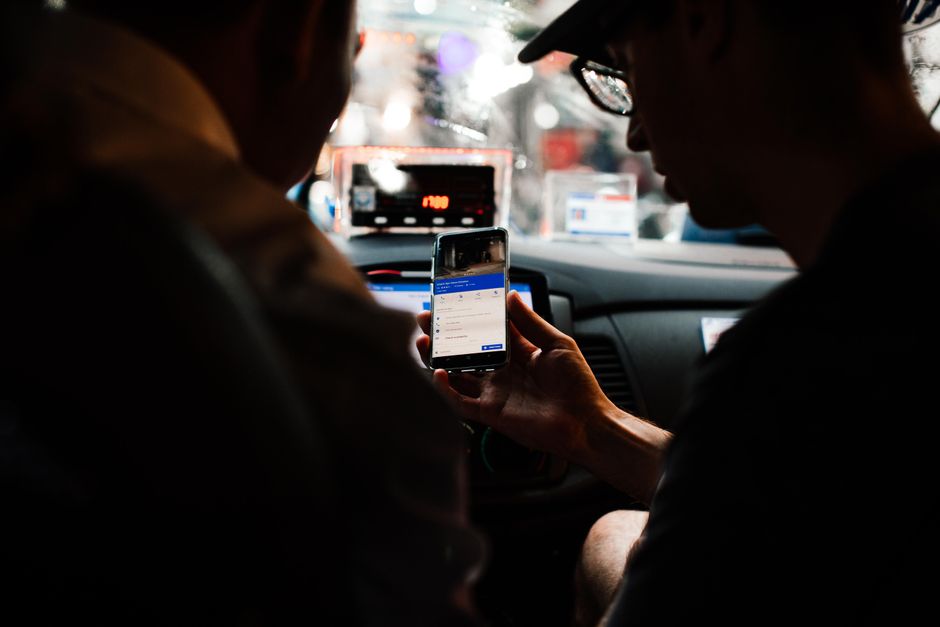
The numbers are staggering and difficult to absorb. Between 2017 and 2022, Uber received 400,181 reports of sexual assault or sexual misconduct in the United States. That averages to roughly one report every eight minutes, a statistic that has become the defining metric of a systemic safety failure across the rideshare industry. What was once a collection of individual traumas has now coalesced into one of the most significant mass tort litigations in the country, with more than 3,500 lawsuits filed against Uber alone and a growing wave of claims against Lyft. The legal landscape shifted dramatically in early 2026 when an Arizona jury returned an $8.5 million verdict in the first bellwether trial against Uber, signaling that juries are willing to hold these companies accountable under the doctrine of apparent agency. This article provides a comprehensive examination of where the litigation stands this year, what the key legal theories mean for victims and attorneys, and how safety failures continue to fuel the crisis. For law firms seeking to connect with affected individuals, high-quality rideshare abuse leads are available through verified intake channels.
Table of Contents
-
The Legal Landscape: MDL Consolidations and Bellwether Trials in 2026
-
The “Apparent Agency” Legal Theory: A Precedent for Mass Torts
-
Safety Failures: Background Checks, In-App Features, and Driver Screening
-
What Victims and Attorneys Need to Know: Payout Timelines and Legal Strategy
-
How Exclusive Leads Agency Connects Law Firms with Rideshare Abuse Leads
The Scope of the Crisis: Why Rideshare Abuse Is a Mass Tort
The 400,181 reports of sexual assault or misconduct filed against Uber over a five-year period represent more than a public relations problem. They reflect a structural failure in how rideshare companies screen, train, and monitor their drivers. Even Uber’s own safety report, which breaks out the five most severe categories of sexual assault, documented 3,824 such incidents in 2019 and 2020 alone. While that figure was down from nearly 6,000 in the 2017 to 2018 period, the decline offers cold comfort when thousands of riders continue to experience violent assaults each year.

Beyond the direct assaults on passengers, the rideshare ecosystem intersects with the broader human trafficking crisis. An estimated 24.9 million people are victims of human trafficking annually, with women and girls accounting for over 70 percent of those affected. Rideshare drivers occupy a unique position in this landscape: they may serve as witnesses to trafficking activity, or in some cases, as perpetrators who use the platform to identify and transport victims. This dual role adds another layer of legal exposure for the companies that facilitate these rides.
The term “mass tort” applies when a large number of plaintiffs bring claims against one or a few defendants based on a common set of facts and legal theories. The rideshare abuse litigation fits this definition precisely. With more than 3,500 Uber lawsuits and 17 Lyft cases consolidated into multidistrict litigation, the volume alone demands coordinated judicial management. More importantly, the claims share a unifying legal theory: that Uber and Lyft created the appearance that drivers are their agents, and they must answer for the harm those drivers cause.
The Legal Landscape: MDL Consolidations and Bellwether Trials in 2026
The Uber MDL (MDL 3084) – Northern District of California
The Uber multidistrict litigation, designated MDL 3084, is pending in the Northern District of California before Judge Charles R. Breyer in San Francisco. The venue is no accident: Uber’s global headquarters sits in San Francisco, making the district the natural hub for consolidated pretrial proceedings. Judge Breyer, a seasoned jurist with deep experience in complex civil litigation, now oversees the coordinated discovery and motion practice for thousands of individual claims.
The most consequential development in the Uber MDL arrived on February 9, 2026, when an Arizona jury awarded $8.5 million to plaintiff Jaylynn Dean in the first bellwether trial. Bellwether trials serve a critical function in mass tort litigation. They test the strength of the plaintiffs’ legal theories and the credibility of their evidence before a live jury, and the outcomes often shape settlement negotiations for the entire docket. The Dean verdict delivered a resounding message. The jury accepted the plaintiffs’ argument that Uber could be held liable under the doctrine of apparent agency, meaning the company created the reasonable impression that its drivers act on its behalf. The independent contractor classification that Uber has long used to shield itself from liability did not persuade the Arizona jurors.

This verdict places enormous pressure on Uber to consider a global settlement. When a bellwether trial produces a multimillion-dollar plaintiff win, the defendant faces the prospect of thousands of similar outcomes if the cases proceed individually. For victims and their attorneys, the Dean case provides a template for how to frame these claims and what evidence resonates with juries.
The Lyft MDL (MDL 3171) – Northern District of California
Lyft’s legal reckoning is also taking shape. On February 5, 2026, the Judicial Panel on Multidistrict Litigation consolidated 17 Lyft sexual assault lawsuits into MDL 3171, assigned to Judge Rita F. Lin in the same San Francisco courthouse. The Lyft MDL is at an earlier stage than its Uber counterpart. No bellwether trial date has been set, and the parties are still navigating initial discovery and case management orders.
A critical vulnerability for Lyft is the absence of a publicly available safety report comparable to what Uber has released. Uber’s transparency, however incomplete, at least provides a data set that plaintiffs and the public can scrutinize. Lyft’s silence on the volume of assault reports leaves the company exposed to accusations of concealment. As discovery proceeds, internal Lyft data on safety incidents will likely become a central battleground. The contrast between the two companies’ disclosure practices may influence how judges and juries assess Lyft’s culpability.
Ready to start your Rideshare Mass Tort Campaign? Go here to learn more.
The “Apparent Agency” Legal Theory: A Precedent for Mass Torts
The apparent agency doctrine is not new, but its application to the gig economy represents a significant legal evolution. Under this theory, a company can be held liable for the actions of an independent contractor if the company’s conduct led a reasonable person to believe the contractor was acting as its agent. The key question is not what the contractual fine print says, but what the passenger reasonably perceived.
In the Dean trial, the plaintiffs demonstrated that Uber’s branding, app interface, driver uniforms, and marketing all conveyed that the driver was an Uber representative, not an independent operator. Passengers do not negotiate fares with individual drivers, select drivers based on personal reputation, or sign separate contracts with them. They open the Uber app, request a ride, and trust that Uber has vetted the person who arrives. The Arizona jury agreed that this trust was reasonable and that Uber bore responsibility when that trust was violated.
The implications extend far beyond Uber. If apparent agency holds in the rideshare context, it can be applied to Lyft, DoorDash, Instacart, and any platform that presents gig workers as integrated parts of a branded service. Mass tort attorneys are watching these cases closely because a stable appellate ruling on apparent agency would open the door to claims across the on-demand economy. For now, the Dean verdict provides persuasive authority that other courts may cite, even if it is not binding precedent outside Arizona.
Safety Failures: Background Checks, In-App Features, and Driver Screening
Rideshare companies have long promoted their safety measures as evidence of responsible stewardship. A closer examination reveals persistent gaps that leave passengers vulnerable. Background checks remain a central point of failure. Uber and Lyft rely on continuous monitoring systems that scan criminal databases, but these checks often miss out-of-state convictions, expunged records, and offenses that fall outside the lookback window. Many jurisdictions do not require fingerprint-based FBI background checks for rideshare drivers, a standard that taxi drivers have long been subject to in major cities.
The in-app safety features that both companies tout are largely reactive rather than preventive. Real-time photo verification confirms that the driver behind the wheel matches the profile picture, but it does nothing to screen out dangerous individuals before they are approved to drive. Emergency buttons and ADT integration connect riders to help after an incident has begun. Trip sharing allows friends or family to track a ride’s progress, which may deter some bad actors but does not stop a determined assailant. These tools place the burden of safety on the passenger rather than on the company’s screening infrastructure.
One feature that drew attention during the Dean trial is Uber’s “Women Preferences” option, which allows women and nonbinary riders to request women drivers. The plaintiffs highlighted this feature as a design choice that Lyft has not adopted, framing it as evidence that Uber recognized a safety problem it failed to fully address. The existence of the feature implies awareness that some male drivers pose a risk to female passengers, yet Uber continued to match women with male drivers by default.
Uber also assigns a safety risk score to every ride, a practice covered by CNN in a segment that revealed the company’s internal algorithmic assessment of danger. The risk scoring system analyzes factors like route deviations, unexpected stops, and driver behavior patterns. While this technology could theoretically flag high-risk rides in real time, its existence raises an uncomfortable question: if Uber can identify risky rides algorithmically, why do assaults continue at such volume? Critics argue the data is used more for post-incident liability management than for proactive intervention.
The Lyft “Abuse Fee” Controversy: A Deterrent to Reporting?
Buried in Lyft’s Terms of Service is a provision that allows the company to charge passengers an “Abuse Fee” of up to $250 if a credible report of misuse or abuse of the platform is received. Lyft reserves the right to verify or require documentation of abuse before processing the fee. On its face, this policy is designed to discourage false reports and platform misuse. In practice, it creates a chilling effect that may deter legitimate victims from coming forward.
A passenger who has just endured a sexual assault must already navigate trauma, potential police involvement, and the emotional toll of recounting the experience. The prospect of being charged $250 if Lyft deems the report insufficiently credible adds a financial threat to an already overwhelming situation. Victims may reasonably ask: what documentation will Lyft require, and how will the company assess credibility in cases where physical evidence is limited or delayed reporting is common?
This policy has not yet been tested in the Lyft MDL, but it is likely to become a point of contention. Plaintiffs’ attorneys may argue that the abuse fee constitutes a structural disincentive to reporting, artificially suppressing the number of documented assaults and shielding Lyft from the full scope of its liability. The ethical implications are stark, and the policy may face scrutiny from regulators and legislators as the litigation progresses.
What Victims and Attorneys Need to Know: Payout Timelines and Legal Strategy
No global settlement has been reached in either the Uber or Lyft MDL as of 2026. The Dean bellwether verdict is a significant milestone, but it is the first step in a process that typically takes two to four years from MDL formation to resolution. The Uber MDL was formed in 2024, which means realistic settlement timelines point to late 2027 or 2028, assuming the parties reach an agreement rather than proceeding through additional trials and appeals.
For victims, the most important actions are immediate and practical. Document everything: save trip receipts, screenshots of the driver’s profile, any communications with the rideshare company, police reports, and medical records. Do not sign any waivers, releases, or settlement offers from Uber or Lyft without consulting a mass tort attorney. These companies may attempt to resolve claims quickly and quietly before victims understand the full value of their legal rights.
For attorneys, the rideshare abuse mass tort represents a high-volume, high-value practice area with strong legal tailwinds. The apparent agency theory provides a coherent framework for case evaluation. Attorneys should assess potential claims by examining whether the plaintiff can establish that the company’s branding and conduct created a reasonable belief that the driver was acting as its agent. Cases involving inadequate background checks, failure to respond to prior complaints about a driver, or gaps in in-app safety features are particularly strong. The Dean verdict gives attorneys a concrete outcome to cite when evaluating case value and advising clients on settlement offers.
Frequently Asked Questions About Rideshare Abuse Lawsuits
How many Uber sexual assault lawsuits are there? More than 3,500 have been filed in state and federal courts, with the majority consolidated into MDL 3084 in the Northern District of California.
What is the Lyft abuse fee? Lyft charges passengers up to $250 if the company receives what it deems a credible report of misuse or abuse of the platform. This fee is outlined in Lyft’s Terms of Service and has drawn criticism for potentially discouraging legitimate assault reports.
Can I sue Uber if I was assaulted by a driver? Yes. Under the apparent agency legal theory, Uber can be held liable for driver assaults if the company created the reasonable impression that the driver was acting on its behalf. An $8.5 million verdict in 2026 confirmed the viability of this approach.
How long will it take to get a payout? No settlements have been reached as of 2026. Mass tort resolutions typically take several years from MDL formation, and payouts are not expected before late 2027 or 2028 at the earliest.
Are Lyft and Uber doing anything to improve safety? Both companies have introduced features like emergency buttons, trip sharing, and real-time photo verification. Uber has also implemented a safety risk scoring system and a women driver preference option. Critics argue these measures are reactive rather than preventive and do not address fundamental gaps in driver screening.
How Exclusive Leads Agency Connects Law Firms with Rideshare Abuse Leads
Exclusive Leads Agency provides law firms with high-intent rideshare abuse leads from victims actively seeking legal representation after an assault. Each lead is pre-screened and verified to ensure it meets current intake criteria for the Uber and Lyft mass tort litigations. We specialize exclusively in mass tort verticals, which means our intake protocols reflect the latest MDL developments, bellwether outcomes, and filing requirements. All leads are TCPA-compliant and delivered on an exclusive, non-duplicated basis, so your firm is not competing with others for the same potential client. For law firms ready to grow their rideshare abuse practice, explore our rideshare abuse leads today.