
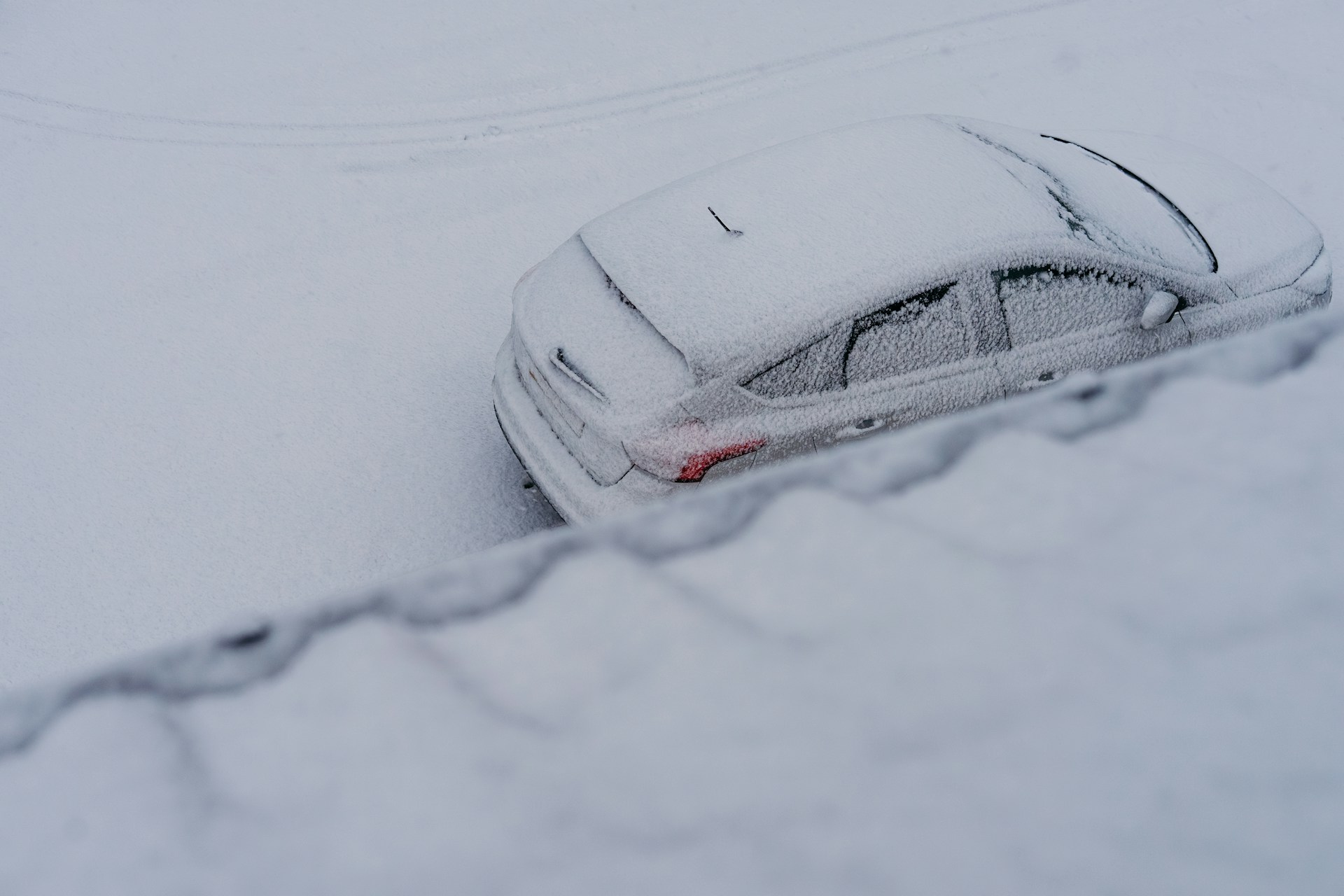
When the weather turns cold, roads tend to get tricky. Rain, sleet, and early snow can make driving a lot more dangerous. Between holiday travel and longer nights, accidents start to increase, and that means personal injury attorneys often see a jump in new cases during this season.
But more cases do not always mean more good prospects. What matters most is finding MVA case leads that are actually ready to sign and move forward. In colder months, timing becomes even more important. People are dealing with more stress, tighter schedules, and difficult conditions, so they are less likely to wait or shop around. If they are calling your office after an accident, there is a good chance they want help right away. The question is whether your team is talking to the right people at the right moment.
Not all leads are created equal. Some might seem promising at first, but go quiet quickly. Others might need more information or just are not in the right mindset yet. That is where the winter rush can get frustrating, especially when staff is stretched thin. When your intake team is spending too much time chasing the wrong leads, it takes away from helping the ones who are truly ready.
So what makes a good winter lead? And how can we sort through the traffic to reach the people who need legal help now? Those are the kinds of questions we aim to answer as we head into colder weeks. It is not just about getting more calls, it is about knowing which ones can turn into real cases.
How Cold Weather Impacts Car Accident Volume
As soon as the temperature drops, roads change. Tires lose grip. Rain turns into black ice. In some areas, the first flurries can catch drivers by surprise. Even in places where it does not snow much, colder weather tends to lead to more fender benders, faster braking, and trouble on the highway.
Then there is the holiday travel rush. Thanksgiving, Christmas, and all the days in between bring packed roads, distracted drivers, and longer drive times. People are in a hurry, they are tired from the season, and they are often pulling late nights or early mornings. All that adds up to spikes in accident reports from mid-November through early January.
For attorneys, that extra accident volume usually means more incoming leads. But those leads are shaped by the season too. Many callers are short on time. They may not be thinking clearly after a crash or might feel pressure to just move on quickly. Some may even be anxious about dealing with an attorney during the holidays.
That urgency is real, and it can either help a lead convert quickly or cause it to slip through the cracks. The timing between the accident and the first follow-up matters more in winter than in other times of the year. People have less patience, and if they do not feel heard on that first call, they might decide to wait or go elsewhere, especially between Thanksgiving and New Year’s.
This is why some legal teams plan ahead by adjusting intake for cold weather. They expect more leads and make sure someone is available to talk right away. When phones ring during peak travel weekends or snowy days, they know those calls carry more weight. It is not just volume, it is urgency.
What Makes a Winter Lead Stronger Than Others
There is no shortage of names on a lead sheet during the winter season. But not all of them will help your firm sign new clients. Winter changes more than the roads, it changes how people respond and what they are looking for. So during these colder months, the best leads tend to have a few things in common.
One, they move fast. A strong winter lead will often be someone who just had an accident and wants help quickly. They may be more willing to take a next step right away, like answering intake questions or setting a time to talk with an attorney. That level of interest is usually a good sign they are serious.
Two, they answer the phone. It sounds simple, but it matters. Some leads come in hot, then go cold as soon as you try to reach them. That is especially true in December, when plans change, people travel, and people are juggling all kinds of holiday stress. The leads that pick up or call back on the same day are more likely to follow through.
Three, they are clear about what happened. When someone describes their accident with some detail, where it happened, how the crash unfolded, how their injuries feel, that tells us they have already replayed it in their mind. They are looking for answers, and legal help could be one of them.
Here is a quick look at some typical signs of high-quality MVA case leads during winter:
- They have had a recent accident (usually in the last few days)
- They seem open to moving forward with legal help
- They are available to talk when your team follows up
- They share simple but clear info about the accident and their injuries
- They ask questions that show interest, not just curiosity
We have learned that the cold adds pressure. People want to tie up loose ends before the holidays. If they are considering hiring a lawyer, they may try to do it before travel ramps up or the year ends. That sense of urgency can help move things faster, but only if we are working with leads who are truly ready.
At the same time, we have to be ready for timing changes. A good lead on December 15 might not act the same as one on November 5. Office hours change, plans shift, and people sometimes delay big decisions until the new year. That is why watching for signs of intent, like returning your call or asking about next steps, is so important.
These high-converting leads may not be more common in winter, but they usually show up with more urgency than in other seasons. That is why it pays to look past the surface and really listen. The signs are usually there when someone is ready to act.
The Problem With Chasing the Wrong Leads in Winter
There is nothing more frustrating than losing an entire day to cold leads, especially when it is 5 p.m. and there is still snow building outside. In the rush of winter intake, it is tempting to follow every contact with the same energy. But not every lead wants help now, and chasing the wrong ones can drain your team faster than the weather outside.
This time of year, law offices are often short-staffed. People take time off, hours get shuffled, and energy runs low. If your intake team is tied up leaving messages for leads that never call back, that is energy taken away from those who would have signed, if only someone had reached them faster.
Low-quality winter leads tend to show a pattern. They might give very little information early on, then go silent. They might fill out a form but never answer your follow-up calls. Or they might seem interested at first, only to disappear when the holidays hit.
Some signs to watch out for include:
- Delayed responses or missed follow-ups
- Unclear details about the accident, or changing information
- Bad contact info or patterns of ignoring intake calls
- Refusal to commit to next steps, like scheduling a meeting
These are not automatic red flags, but they are worth noticing. When call volume is high and inboxes are full, we have to be smart about how we handle our time and attention. That is where good triage makes a difference.
Sorting inbound leads by response quality, timing, and intent helps us focus on the ones more likely to convert. Quick filters, like noting whether someone answered on the first call or gave a valid injury description, can help your team stay focused and avoid burnout.
Winter does not just bring more leads, it brings more time pressure. And when that pressure grows, we should not spend it calling the same dead-end number three times a day. Better filters and better follow-up strategies keep the ones that matter moving forward and leave the cold leads behind where they belong.
Why Fast Follow-Up Is Even More Important in the Cold Months
Winter is not just harder on the roads, it is harder on people’s attention spans too. Between colder mornings and stretched schedules, most people just do not have the patience to wait. If they leave a message or fill out a form, they are often hoping to get answers quickly, sometimes within the hour.
That is why fast follow-up matters more in the winter than it does any other time. Waiting a day can mean missing the window when they are open to talk, especially if their pain has not set in yet or they have not spoken to their insurance carrier. If someone does not hear back quickly, there is a good chance their next move will be to search again and talk to whoever picks up first.
It is not only about speed. It is about making contact when emotions are still fresh. In cold months, people are juggling more than usual. The moment they hang up or close a tab, they are onto the next thing, shopping, school pickups, work calls. That lead does not stay warm for long.
Holiday schedules make this even tougher. Office hours change, voicemail boxes get full, and it is easy for one good lead to fall through the cracks. So the systems we rely on, whether that is a first response call, a follow-up text, or a same-day scheduling link, have to stay simple and quick. The goal is to connect before the moment is gone.
When your intake team responds fast and sounds calm, people feel it. In this season, that small shift in timing can be the only thing standing between a signed retainer and a missed chance.
How Real-Time, Exclusive Leads Fit Winter Workflows
If you have ever tried to reach someone who already got three other calls from law firms, you know how burned out that can look. They are guarded, skeptical, and less likely to want another pitch. That is part of why exclusive leads matter more in the colder months.
When you know an MVA case lead has not been passed around or sold multiple times, your staff is not walking into a cold conversation. They are starting fresh with someone who has not already had to repeat their story several times. That makes it easier for both sides to focus and builds trust faster, which is exactly what winter leads need.
Legal teams working through holiday plans or short weeks do not always have the time to chase people down. Exclusive leads save some of that effort by starting from a cleaner slate: one call, one lead, zero competition. That reduces back-and-forth and helps teams feel more confident in their chances of converting a conversation into a real case.
Exclusive Leads Agency delivers only real-time, exclusive leads, with each contact provided to a single firm and never resold. All leads are pre-qualified before delivery, reducing wasted calls and helping your team focus on high-value prospects.
It helps morale too. When intake staff know they are talking to someone only their office is speaking with, they do not feel rushed or replaceable. They can have a real conversation, not a race against other firms calling the same name.
This fits nicely with the fast follow-up strategies we have already covered. When your leads come in hot and clean, your team can spend less time troubleshooting bad numbers or clarifying confusing details and more time simply helping people who want help.
Planning Ahead Before the Winter Surge Hits
The best time to prepare for a winter spike is before the calendar flips to December. When we plan ahead, we are less likely to miss leads just because someone is out on vacation or phones are ringing nonstop the Monday after Thanksgiving.
One smart way to prepare is by looking at last year. When were your busiest days? Was there a drop in call response around certain holidays or during certain hours? Even a quick look at those patterns can help you shift your intake hours, rotate call coverage, or update your intake scripts just in time.
It is also worth thinking about staffing. If you know two or three people are likely to be out in a given week, it helps to plan who will pick up the first-touch tasks. That might mean blocking extra time for callbacks, giving one person access to mobile response tools, or simplifying the workflow for scheduling consultations.
A few small moves before the season gets hectic can make a big difference. Like setting up simple intake templates. Or reviewing how your team marks leads who are warm but not quite ready, so you can circle back quickly in January if needed.
You cannot plan for every storm or traffic event, but you can prepare your systems. Good preparation means your team will not have to triage in the middle of chaos. They will already be ready to work smarter when things pick up quickly.
Training Intake Teams for Seasonal Conversations
When an accident happens in cold weather, people’s moods are often lower than usual. They are tired, sore, maybe angry. Add in the stress of the holidays, and your intake team is likely to hear it in the way leads talk, or do not talk, in the first few minutes of a call.
This is where the soft skills come in. A friendly tone, shorter questions, and just a bit more space to let someone talk can open the door. The conversation does not need to be long. It just needs to feel helpful and steady enough to move things forward.
Cold-weather leads might sound rushed or distracted. They may say, “I am not sure right now” or “I will have to think about it.” But that does not always mean they are a bad lead. It might mean they do not want to talk above the noise of kids at home or are sitting in a waiting room waiting to get X-rays. Training your staff to hear the difference between stalling and stress makes a real impact on connection rates.
Simple scripts help here. Not robotic lines, just small reminders like:
- “Totally understand, the holidays can be a lot. Let us just go step by step.”
- “You do not have to decide today. I can help you understand what comes next.”
- “Sounds like you have had a rough few days, we will keep this short.”
Those small adjustments help people feel heard instead of handled. And when someone feels heard, they open up faster. That clarity in the call helps your team know what to do next, whether it is booking a consult or simply checking back the next day.
We see better winter results when our team speaks with a little more warmth, even when the calendar is tight and calls are long. Those little shifts in how we speak often mean the difference between a soft lead staying cold or turning warm.
A Warmer Outlook for Legal Teams in Cold Weather
Winter may bring more accident calls, but it does not have to bring more guesswork. When we start paying closer attention to what winter leads actually need, such as speed, clarity, and kindness, we start to see stronger results across the board.
Leads move faster this time of year, and so should our response plans. Whether we are refining intake scripts or tightening follow-up timelines, small adjustments make a bigger difference when time is short. Better MVA case leads will not solve everything, but they can give your team the focus and momentum to stay connected when it matters most.
With the right preparation, the right conversations, and a bit of empathy, cold weather does not have to slow us down. It can help clear the path for better cases and stronger client relationships all season long.
Stay Connected With the Right Winter Leads
Smart intake teams are already preparing for cold-weather spikes by focusing on exclusive, high-intent leads that are matched in real time to their criteria. Exclusive Leads Agency specializes in delivering pre-qualified, one-at-a-time prospects so you never compete for the same MVA case and always know your follow-up counts.
When your firm is gearing up for the seasonal increase in accident calls, now is the perfect time to focus on smarter intake workflows that deliver real opportunities rather than extra noise. We help your team connect with the right prospects, so there is less time spent chasing cold leads through busy schedules or bad weather. Our real-time delivery puts you first when someone is ready to move forward. To start signing stronger winter cases, see how we support attorneys with high-intent MVA case leads. Contact Exclusive Leads Agency today to find out how we can help you stay ahead this season.