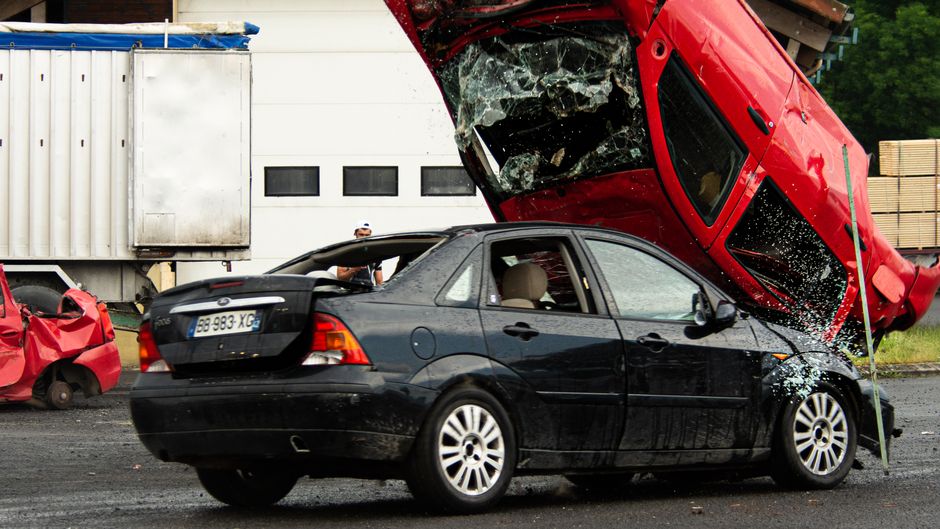
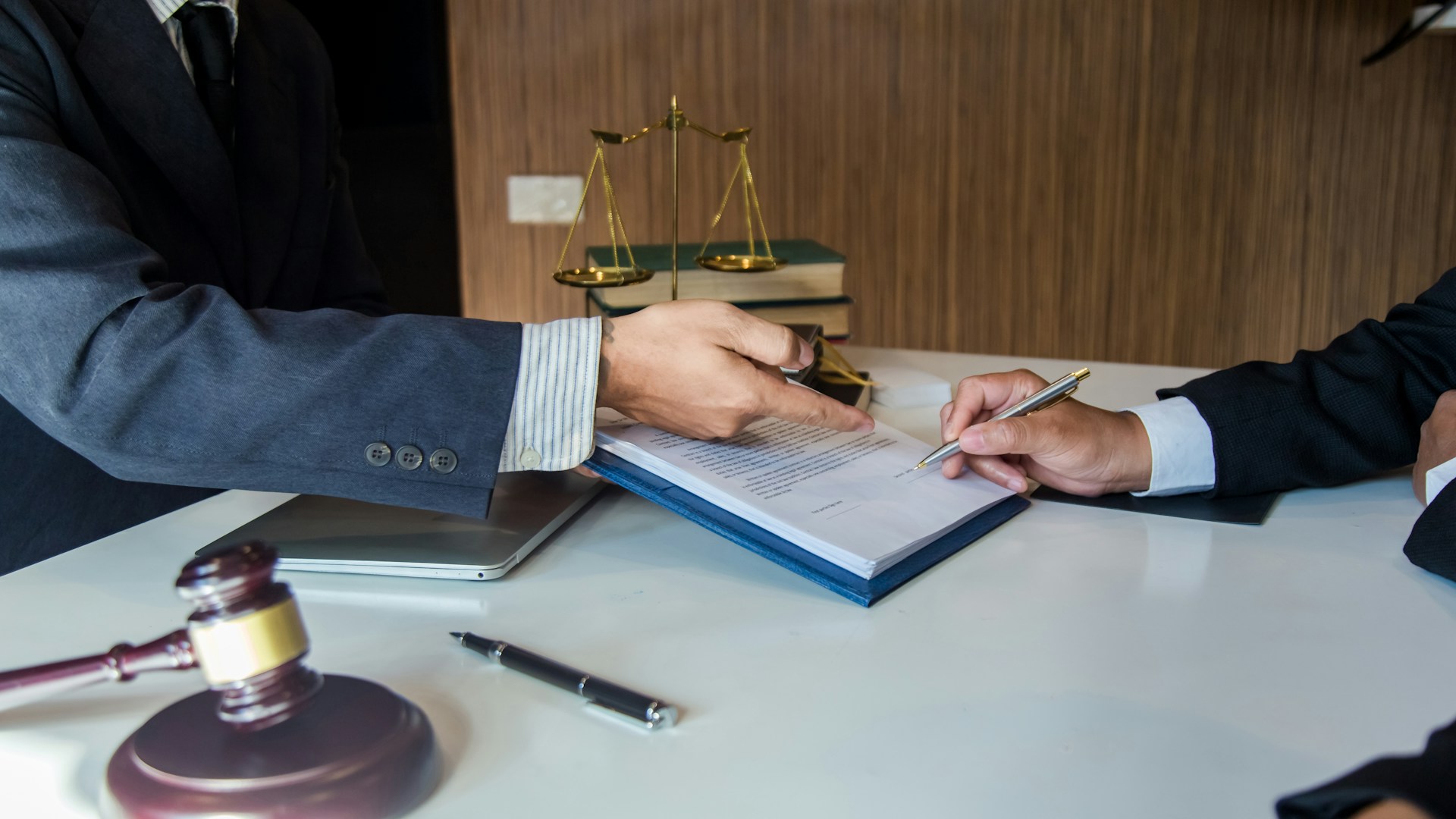
Winter can throw a curveball when it comes to handling signed MVA Cases. The presence of icy roads, snow, and freezing temperatures adds a unique set of challenges for both attorneys and clients. As we navigate through these chilly months, it’s important to be prepared. Being ready for these conditions helps make sure that the cases proceed smoothly, even when the roads do not.
Managing signed MVA Cases is not just about having paperwork ready. It’s about seeing how these weather conditions affect every aspect of a case, from gathering evidence to communicating with clients. The key is to stay ahead of the weather. This means having a plan that factors in everything icy conditions might bring.
Being prepared goes a long way in keeping MVA Cases on track, even when icy situations arise. The focus should be on proactive planning and communication. This way, both attorneys and clients know what to expect and can move forward with confidence. Let’s look at some steps that can help make managing signed MVA Cases easier during winter.
The Importance of Signed MVA Retainers in Winter
A signed MVA Retainer is much more than just a piece of paper. It is an agreement that sets the groundwork for legal representation in motor vehicle accident cases. During winter, when road conditions can be treacherous, having these retainers in place becomes even more helpful. They help make sure that both attorneys and clients are clear about their commitments and can move ahead without unnecessary concerns.
Signed MVA Retainers outline the services a lawyer will provide. They detail the attorney’s responsibilities and the client’s obligations, which helps keep everything clear from the start. When the weather turns icy, having these agreements signed means there is one less thing to worry about. Everyone knows what is expected, which is a real time-saver in tricky conditions.
But, why focus on retainers during winter? The answer is in the unpredictability of the season. Snowstorms can delay meetings, or icy roads might make it hard to gather evidence. Knowing that a signed MVA Retainer is backing the case allows attorneys to focus on working through these obstacles instead of juggling legal formalities.
The benefit of having these retainer agreements signed goes beyond just saving time. They also offer peace of mind. In winter, when other things may go off track, knowing that everyone is on the same page legally lets attorneys and clients focus on what is important, getting through the case effectively and efficiently.
When a new case comes in during winter, making sure a retainer is reviewed and signed early is key. This way, legal professionals and their clients are on steady ground, ready to handle surprises that come with the changing seasons. Sometimes, when paperwork is missing or incomplete, progress gets slowed. Planning ahead avoids this by ensuring that all parties have what they need before problems pop up.
A signed MVA Retainer is not just about the law, it’s also about building trust. Clients know their attorney is prepared, organized, and cares about planning for the worst. Lawyers can work with confidence, knowing the groundwork is set for moving forward even if the weather tries to get in the way. When handling multiple cases at once, this organization can be a huge help, making the process smoother for everyone involved.
Understanding Weather Effects on MVA Cases
Icy and snowy roads are no friends to drivers, and this holds especially true for MVA Cases. As temperatures drop and the roads become slick, the likelihood of accidents increases. This increase in accidents means more cases for attorneys, usually with unique challenges brought on by the weather. Knowing about these weather effects is a step toward managing signed MVA Cases in icy conditions.
One major impact is the physical challenge of accessing accident sites. Snow and ice might block roads or delay investigators tasked with gathering evidence. These complications can slow down the whole process of building a strong case. It helps to expect these hurdles and have strategies ready to handle them.
Icy conditions bring more than just accidents; they make issues with evidence and testimonies. Witnesses may have trouble recalling events accurately if their focus was split by trying to manage driving through poor conditions. In the same way, evidence may become harder to collect or may lose value if weather delays slow the process.
Knowing these weather-related issues helps people get prepared. By seeing what to expect, attorneys can form plans that keep cases moving, even when the roads are slick and travel is unpredictable. Planning for tough weather conditions is helpful in making sure that MVA Cases do not suffer delays or setbacks they could have avoided.
It’s also helpful to think about changes in how people react in bad weather, which can affect accident reports and statements. For example, nerves and stress during a snowstorm might make memories less accurate. Road closures not only slow down the process but can sometimes prevent access to important locations altogether. Being able to adjust to these situations quickly helps keep cases moving, no matter how much the weather insists on getting in the way.
Another factor to consider is how repairs for damaged vehicles get delayed during winter due to backlogs at repair shops, limited tow services, or even insurance claims processes slowing down. All these hurdles can stretch case timelines, making legal planning and client expectations all the more important. By thinking ahead and forecasting possible delays tied to the weather, attorneys can help clients be more patient and prepared.
Preparing for Icy Conditions in MVA Cases
Preparation makes all the difference when icy conditions are present. Having the right documents organized and solid communication plans set before the weather worsens is a real help. This keeps signed MVA Cases running with minimal disruption when the next snowstorm or ice patch shows up.
- Make sure all necessary documents are organized and easy to access. If travel is hard, having secure digital copies is a must. Digital backups allow for a switch to remote work if in-person visits are limited by weather.
- Set up clear lines of communication before the weather changes. Clients need to know about possible delays or changes in meeting formats, which keeps expectations realistic and trust strong.
- Use technology like video conferencing to continue meetings, even when road conditions are poor. Scheduling software can keep everyone on track and reduce problems that come with rescheduling.
Being proactive with documents and communication means less scrambling when weather conditions shift. By preparing early, signed MVA Cases can move ahead with fewer hassles, even during unpredictable winter months.
A good approach is to double-check everything before winter even starts. Reviewing case files, checking contact lists, and testing remote connection tools all help prevent surprises later. It’s smart to make sure both paper and digital records are updated and easy to find. This level of organization turns tough weather into just another part of the plan rather than an emergency.
Teams should also consider reaching out to clients with reminders about what to expect as winter sets in, just to help everyone feel ready and supported. If attorneys have assistants or office managers, assigning someone the job of watching for winter weather updates can make it easier to alert clients and make plans at the first sign of trouble. By taking these simple steps ahead of time, everyone benefits from smoother communication and better results.
Ensuring Client Communication and Safety
Keeping clients informed is important during winter, especially when bad weather can bring surprise delays. In MVA Cases, clear and timely updates help everyone stay informed and ready to adjust to new conditions. By being upfront about the chance of delays, we can set expectations and keep client trust strong.
Remote consultations are a strong solution when icy roads make meeting in person too risky. Video calls and phone meetings keep discussions moving without risking anyone’s safety. Reminding clients their case is still a priority, while making the most of technology, helps everyone work through the tough weather. Making sure everyone knows how to use these tools before winter gets truly tough will save time and prevent confusion later.
The safety of all involved is number one. If travel is too dangerous, we must prioritize the safety and health of clients and staff. Stressing flexibility and using remote communication helps lower risks that come with winter travel. This not only keeps the case going but also sends the message that clients’ safety matters most.
It’s also smart to provide checklists or simple instructions to clients for using remote meeting tools, especially if they’re new to video calls or online document sharing. If someone doesn’t have reliable internet access, exploring safe places like libraries or setting up times when the connection is best can help meetings go smoothly. Keeping backup phone numbers and alternate ways to connect means conversations can happen regardless of weather interruptions.
Being encouraging and supportive with updates goes a long way. Letting clients know you are keeping an eye on forecasts, and that you’re committed to their safety as much as to their case, helps everyone feel more at ease. Trust becomes even more important when road conditions are changing quickly, and keeping that trust is a big part of getting through winter together.
Implementing Flexible Strategies for Icy Conditions
Having a flexible plan during winter is so important when working with signed MVA Cases. The unpredictability of weather means we must be ready to change plans quickly. Finding ways to stay flexible keeps cases moving, even when snow and ice try to slow things down.
- Include buffer periods in case schedules to account for possible weather disruptions.
- Identify backup ways to collect evidence if traditional methods are blocked or delayed.
- Prioritize steps in the legal process that must happen first and plan for what can wait if bad weather hits.
- Make sure digital tools are working for remote hearings or meetings so the case can move ahead if the courthouse closes.
Being ready with contingency plans at every step keeps cases moving even when things get tossed off course. Planning for delays ahead of time makes it easier to handle surprises. Backup plans take small problems and keep them from growing into real setbacks.
A flexible plan is about being ready to adapt and planning ahead whenever possible. By thinking through possible trouble areas and finding solutions early, we are better prepared for whatever winter sends our way. Planning ahead makes it easier to keep things moving, no matter how the weather changes.
Attorneys should always have a list of key contacts, such as local tow providers, snow clearing services, or remote forensic experts who can help when access to physical sites gets blocked. Sharing these resources with staff, or even clients when appropriate, helps everyone take faster actions when things change without warning.
Also, being open about possible changes or delays can actually make clients feel more cared for, because they see the commitment to both service and safety. Even something small, like having a pre-written message to send out if offices close, adds to the sense of security that the legal process won’t stall just because of a snow day.
Review remote hearing protocols with staff, so if courts announce virtual sessions with little notice, everyone knows the process and can adjust smoothly. Remind clients about how digital signatures and file sharing work in case documents need to be signed quickly from home. These small but essential reminders bridge the gap between normal plans and last-minute adaptations.
Case Studies and Real-world Examples
Seeing how these strategies work in real situations can make things clearer. For example, if an attorney needs to collect witness statements during a particularly snowy winter, setting up video interviews ahead of time helps make sure witnesses can still share what they know, no matter how much snow falls.
If a legal team faces delays from weather-related court closures, using that time to build strong digital presentations keeps the team ready for when the courthouse opens again. Extra preparation pays off, letting cases move forward as soon as possible.
In each example, being able to flex and adjust helps signed MVA Cases keep moving. Lessons from real scenarios prove that readiness and flexibility matter. When teams are prepared to step around challenges, winter weather becomes one more thing to handle, not something that stops everything.
Imagine a law office in the middle of a heavy winter storm. Instead of waiting for roads to clear, the attorney and client switch over to a video conference, going over documents and timelines from the comfort of their own homes. Even court reporters and witnesses can join these calls, making sure facts and stories are recorded without delay.
Another example might be an investigator who cannot reach the scene because of road closures. Instead of waiting, they use drone footage, photos sent in by clients, or Google Maps history to piece together evidence. This creative approach allows the case to move ahead while more traditional methods are paused.
Sometimes, a simple scheduling shift, like pushing back in-person meetings and focusing on paperwork first, is the key to progress. Teams that keep looking for new solutions, use shared calendars, and check in with each other regularly find they are less likely to be surprised by delays. All of these approaches together build a steady way forward, where no single snowstorm or icy day can freeze a whole case.
Having a set of real-world examples on hand is also great for helping new clients understand what to expect and showing them that delays and changes are something everyone can overcome with a little preparation and some flexibility.
Optimize Winter Case Management with Exclusive Leads
As winter brings shifting schedules and unpredictable road conditions, having a steady flow of new opportunities can make all the difference for your legal practice. Exclusive Leads Agency specializes in delivering exclusive, pre-qualified MVA leads directly to attorneys in real time, so you never pause your caseload due to weather slowdowns. Our lead generation system uses targeted, AI-powered advertising across multiple digital channels to reach clients who are actively seeking legal help, ensuring your firm is equipped to manage the winter uptick in accident cases.
Winter Resilience for Your MVA Practice
Winter brings challenges for managing signed MVA Cases, but the right strategies can help overcome them. From signed MVA Retainers to strong planning, these are the steps that keep cases moving with the snow falling outside.
Prepare your practice for the challenges of winter and ensure your caseload remains active with support from Exclusive Leads Agency. Our expert team can provide your firm with MVA leads that will keep your practice thriving, even in the face of icy conditions. We specialize in delivering exclusive, pre-qualified motor vehicle accident leads that match the needs of your firm. Let us help you navigate the winter season smoothly and efficiently while you focus on providing exceptional service to your clients.