
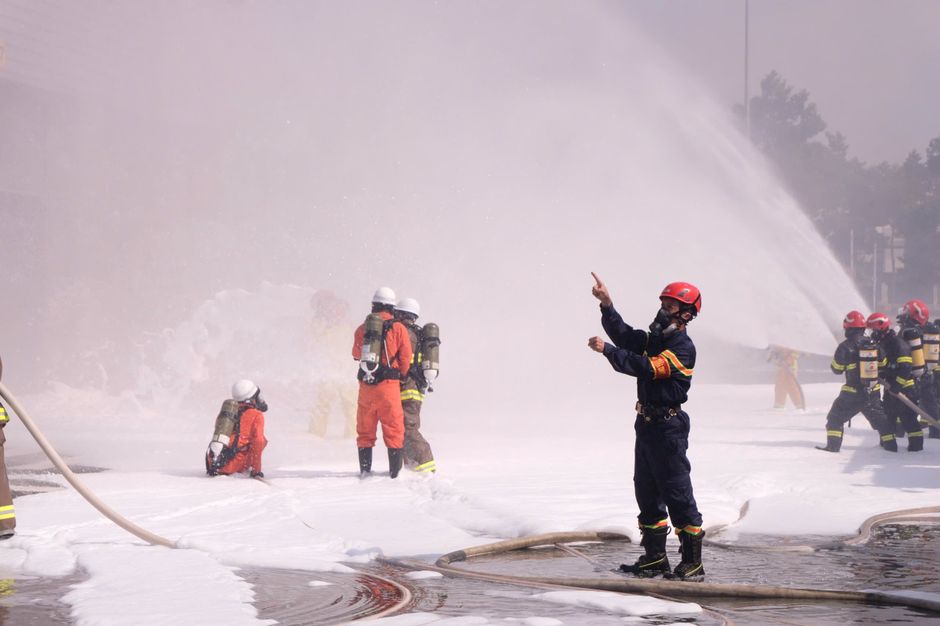
The AFFF litigation landscape in 2026 has reached a defining moment. With over 10,000 cases consolidated under MDL No. 2873 in the District of South Carolina, the mass tort targeting aqueous film-forming foam manufacturers represents one of the largest toxic exposure dockets in American legal history. For law firms practicing in this space, the question is no longer whether the litigation has merit. The question is whether your firm has the infrastructure to identify, qualify, and retain high-value claimants before the window closes. This article provides a strategic roadmap for securing AFFF leads that convert, built on a rigorous qualification methodology, an understanding of the evolving science, and a clear-eyed view of where the MDL is headed in 2026.
Table of Contents
-
The 2026 State of AFFF Litigation: Why Lead Generation Is Critical Now
-
Who Qualifies for an AFFF Lawsuit? The 5-Factor Eligibility Test
-
Why Choose Exclusive Leads Agency for Your AFFF Case Inventory?
The 2026 State of AFFF Litigation: Why Lead Generation Is Critical Now
The AFFF multidistrict litigation has matured significantly since its establishment in 2019. Judge Richard M. Gergel, presiding over MDL No. 2873 in South Carolina, has moved the docket through critical phases of discovery, bellwether selection, and pretrial rulings. The case count now exceeds 10,000 individual actions, with tens of thousands of plaintiffs alleging that exposure to PFAS-laden firefighting foam caused their cancers and other serious health conditions.
What makes 2026 a pivotal year is the bellwether trial schedule. These test cases, selected to gauge jury response and establish settlement ranges, are proceeding. When bellwether trials conclude, the pressure on defendants to negotiate a global resolution intensifies dramatically. Law firms that have already built a robust inventory of qualified AFFF leads will enter settlement negotiations from a position of strength. Those that wait until a settlement is announced will find themselves competing for a shrinking pool of claimants in a market suddenly flooded with advertising.

The regulatory environment continues to fuel public awareness. At least 11 states, including Washington, California, Colorado, Connecticut, Illinois, Maine, Maryland, New Hampshire, New York, and Vermont, have enacted bans or restrictions on PFAS in firefighting foam. Washington led the charge in 2018, and the trend shows no sign of slowing. The EPA has also intensified its scrutiny of PFAS compounds, issuing health advisories and proposing regulatory frameworks that keep the issue in headlines and drive organic search volume for terms like “AFFF lawsuit” and “firefighter cancer lawyer.”
Perhaps the most sobering statistic driving claimant volume is this: cancer is now the leading cause of death among firefighters, according to the International Association of Fire Fighters. This is not a marginal risk. It is the defining occupational health crisis for the fire service. The IAFF has documented elevated rates of multiple cancers among its members, and the link to AFFF exposure, particularly the PFAS chemicals that accumulate in the body over decades, has become a central focus of both scientific research and legal action.
For law firms, the calculus is straightforward. The claimants exist in large numbers. The science supporting causation grows stronger with each published study. The defendants, including 3M, DuPont, Chemours, Tyco Fire Products, Buckeye Fire Equipment, and others, have deep pockets and a clear incentive to resolve these cases. The firms that secure exclusive, pre-qualified AFFF leads now will be the ones dictating terms when the global settlement framework is announced.
Go checkout our page to get started with AFFF Leads
Understanding the Science: PFAS, AFFF, and the Cancer Link
What Are “Forever Chemicals”?
Per- and polyfluoroalkyl substances, known collectively as PFAS, are a class of synthetic chemicals that have been manufactured and used in industry since the 1940s. The two most studied and litigated compounds are perfluorooctanoic acid (PFOA) and perfluorooctane sulfonate (PFOS). These chemicals were integral to the formulation of aqueous film-forming foam, or AFFF, which became the standard fire suppressant for Class B flammable liquid fires at military bases, airports, and fire departments across the country.
The term “forever chemicals” is not hyperbole. The carbon-fluorine bond that defines PFAS is among the strongest in organic chemistry. These compounds do not biodegrade in the environment. They do not break down in the human body. Instead, they bioaccumulate, binding to proteins in the blood and concentrating in organs over time. The half-life of PFOA in the human body is estimated at two to four years. PFOS persists even longer, with a half-life of approximately five years. With repeated occupational exposure over a career spanning decades, the body burden can reach levels that disrupt fundamental biological processes.
The exposure window relevant to AFFF litigation generally spans from 1960 to 2024. 3M, the primary manufacturer of PFAS used in AFFF, voluntarily phased out production of PFOA and PFOS after the EPA published a Significant New Use Rule in 2002. However, the legacy of contamination remains. Firefighters who trained with AFFF in the 1970s, 1980s, and 1990s carry the accumulated chemical burden in their bodies today.
The Specific Cancers Linked to AFFF Exposure
The epidemiological evidence linking PFAS exposure to cancer has grown substantially over the past two decades. The C8 Health Project, which studied communities exposed to PFOA-contaminated drinking water near a DuPont plant in West Virginia, established probable links to kidney cancer and testicular cancer. Subsequent research has expanded the list of associated malignancies.

Qualifying cancers in the AFFF litigation include prostate cancer, kidney cancer, testicular cancer, liver cancer, thyroid cancer, pancreatic cancer, bladder cancer, and blood cancers including leukemia and non-Hodgkin’s lymphoma. Each of these has a distinct biological mechanism and latency period that plaintiffs’ attorneys must understand to properly evaluate claims.
Prostate cancer deserves particular attention because it represents one of the most common claims in the AFFF docket. The latency period for prostate cancer following PFAS exposure typically ranges from 10 to 30 years. This means a firefighter who trained with AFFF extensively in the 1980s and 1990s may only now be receiving a diagnosis. The biological mechanism involves PFAS disruption of endocrine function. These chemicals act as endocrine disruptors, interfering with hormone regulation, including testosterone metabolism. Prostate tissue is hormonally sensitive, and the chronic low-grade inflammation induced by PFAS accumulation may contribute to carcinogenesis over decades.
For law firms evaluating AFFF leads, understanding this latency is critical. A claimant who received a prostate cancer diagnosis within a year of first exposure is unlikely to have a compensable claim. The cancer must have had time to develop. This is why rigorous qualification protocols, which we will detail later, insist on a minimum latency period between first exposure and diagnosis.
Beyond cancer, the litigation also recognizes non-cancer conditions linked to PFAS exposure. Ulcerative colitis, a chronic inflammatory bowel disease, has been associated with PFOA exposure in epidemiological studies. Thyroid disease, including both hyperthyroidism and hypothyroidism, has also been linked to PFAS disruption of thyroid hormone function. These conditions expand the pool of potential claimants beyond cancer patients alone.
Primary Exposure Pathways for Claimants
The most common exposure pathway in the AFFF litigation is occupational. Municipal firefighters who used AFFF in training exercises and emergency responses form the largest claimant group. Military firefighters, including those who served on Navy vessels, Air Force bases, Army installations, and Marine Corps facilities, represent another substantial cohort. Airport firefighters, both civilian and military, used AFFF extensively due to the high risk of jet fuel fires. Volunteer firefighters, who often trained with the same foam but may have less documentation of their exposure, are also eligible. Industrial firefighters at refineries, chemical plants, and fuel storage facilities complete the occupational exposure picture.
Military personnel across all branches have a strong claim pathway even if firefighting was not their primary duty. AFFF was used widely on military bases for training exercises, and personnel in adjacent roles, mechanics, fuel handlers, and emergency responders, were frequently exposed. The Department of Defense has acknowledged widespread PFAS contamination at hundreds of military installations, and service records can often establish presence at contaminated sites.
A significant gap in most AFFF lead generation content is community exposure. Residents who lived near military bases, airports, or fire training academies and drank contaminated groundwater represent an under-served claimant population. PFAS from decades of AFFF use has leached into soil, surface water, sediment, and groundwater surrounding these facilities. The Agency for Toxic Substances and Disease Registry has documented PFAS contamination in drinking water supplies serving millions of Americans. These residents did not handle AFFF. They did not work in firefighting. They simply drank water from their taps. Their claims are valid, and law firms that develop intake pathways for community exposure claimants can tap into a large and largely unaddressed market.
Who Qualifies for an AFFF Lawsuit? The 5-Factor Eligibility Test
The C.L.A.I.M. Validation Test
Generating a high volume of AFFF leads is only valuable if those leads convert to signed retainers. The difference between a raw lead and a compensable case is a rigorous qualification process. We use a five-factor validation framework that every law firm should adopt, whether generating leads internally or purchasing them from an agency.
The first factor is Cancer Diagnosis. The claimant must have a confirmed diagnosis of one of the qualifying cancers or conditions. Self-reported symptoms or family history do not qualify. A pathology report, oncologist records, or hospital discharge summary must document the diagnosis. For non-cancer conditions like ulcerative colitis, a gastroenterologist’s diagnosis with supporting colonoscopy and biopsy results is required.
The second factor is Latency. The diagnosis must occur at least six months after the first documented exposure to AFFF. In practice, the strongest claims involve a latency period of years or decades. A firefighter diagnosed with kidney cancer 20 years after his first training exercise with AFFF has a far stronger claim than someone diagnosed six months after a single exposure. This factor screens out claims where the timeline does not support causation.
The third factor is AFFF Exposure. The claimant must have a documented history of working with or near aqueous film-forming foam. For firefighters, this means employment records, training logs, or union membership records. For military personnel, the DD-214 service record is the foundational document, supplemented by duty station histories and military occupational specialty codes that indicate proximity to AFFF use. Airport workers can provide employment records and job descriptions. Community exposure claimants need proof of residence near a contaminated site and, ideally, water testing data.
The fourth factor is Intensity. The exposure must be more than trivial. A single encounter with AFFF at a training demonstration is unlikely to support a claim. The threshold we apply is a minimum of 10 documented exposures or a career of regular use. Career firefighters who trained with AFFF monthly for 20 years easily meet this standard. Military personnel stationed at bases with known AFFF contamination for extended periods also qualify. This factor ensures that the dose-response relationship, a key element of toxic tort causation, is present in the claim.
The fifth factor is Medical Records. The claimant must be willing and able to authorize the release of medical records. Know Your Customer and identity verification checks are essential to confirm that the person is who they claim to be and that the medical documentation matches. This step also screens for potential fraud and ensures compliance with HIPAA and other privacy regulations.
Who Are the Defendants?
The AFFF litigation targets a roster of manufacturers that produced and sold PFAS-containing firefighting foam for decades. The primary defendants include 3M, the original manufacturer of PFAS and a dominant supplier of AFFF. DuPont and its spin-off company Chemours are also named for their role in manufacturing PFAS compounds. Tyco Fire Products, Buckeye Fire Equipment, National Foam, Kidde-Fenwal, and several other companies round out the defendant list, which now exceeds 14 named entities.
The legal theory in the MDL relies on product liability, failure to warn, negligence, and in some cases, fraud. Plaintiffs allege that these manufacturers knew or should have known about the health risks of PFAS but failed to warn firefighters, military personnel, and the public. Internal documents uncovered during discovery have revealed that some manufacturers were aware of the toxicity of these compounds as early as the 1970s but continued to market AFFF without adequate safety warnings.
Why Lead Qualification Matters for ROI
Law firms that purchase unqualified leads waste money on claimants who will never sign a retainer. A lead that cannot produce medical records, has no documentation of exposure, or received a diagnosis before any plausible latency period is not an asset. It is a liability that consumes staff time and generates no return.
The economics of mass tort marketing favor quality over volume. A validated AFFF lead that passes the five-factor test has a conversion rate to signed retainer that is orders of magnitude higher than a raw internet inquiry. When you factor in the cost of intake staff, medical record retrieval, and attorney time spent evaluating claims, the difference between a 5 percent conversion rate and a 50 percent conversion rate is the difference between a profitable mass tort practice and a money-losing operation.
The pay-for-performance model, where law firms only pay for leads that result in signed retainers, aligns incentives perfectly. The lead generation agency bears the risk of unqualified claimants. The law firm pays only for results. This model is particularly well-suited to mass torts like AFFF, where the qualification criteria are well-defined and the potential case values are substantial.
How to Generate High-Volume AFFF Leads for Your Firm
Digital Targeting Strategies for 2026
The digital advertising landscape for mass tort lead generation has evolved significantly. Generic “AFFF lawsuit” ads no longer deliver the conversion rates they once did. In 2026, successful firms are deploying targeted, condition-specific campaigns that speak directly to the concerns of potential claimants.
Paid search remains the backbone of AFFF lead generation. The keyword strategy should target high-intent phrases that indicate a claimant is actively researching their legal options. Terms like “AFFF lawsuit settlement amounts,” “firefighter cancer lawsuit,” “AFFF prostate cancer lawyer,” and “PFAS water contamination lawsuit” capture users at different stages of the decision funnel. The key is to match ad copy and landing pages to the specific query. A user searching for “AFFF prostate cancer lawyer” should land on a page dedicated to prostate cancer claims, not a generic AFFF overview.
Social media advertising offers powerful demographic targeting capabilities. Facebook and Instagram ads can be targeted to users who are members of firefighter associations, veterans groups, and airport worker unions. LinkedIn allows targeting by job title and industry, making it possible to reach active and retired firefighters directly. The creative for these campaigns should feature imagery and language that resonates with the target audience, firefighters in turnout gear, military personnel on base, and messaging that acknowledges their service and the betrayal of trust by manufacturers.
Content marketing fills the top of the funnel. Creating dedicated landing pages for each qualifying cancer, “AFFF and Testicular Cancer,” “AFFF and Kidney Cancer,” “AFFF and Thyroid Disease,” captures long-tail search traffic that competitors often overlook. These pages should provide substantive medical information, explain the link to PFAS exposure, and include clear calls to action for a free case evaluation. The goal is to build trust and authority before the claimant ever picks up the phone.
The Power of Exclusive, Pre-Qualified Leads
The distinction between shared leads and exclusive leads is one of the most important concepts in mass tort marketing. A shared lead is sold to multiple law firms simultaneously. The claimant fills out one form and receives calls from five, ten, or more firms within hours. Conversion rates on shared leads are dismal because the claimant is overwhelmed, annoyed, and often signs with whichever firm reaches them first, regardless of qualifications or fit.
An exclusive lead is sold to one firm only. Your firm gets the first and only call. The claimant is not being bombarded by competitors. You control the relationship from initial contact through retainer. Exclusive leads convert at significantly higher rates because the claimant experience is better and the competition is eliminated.
Within the exclusive lead category, there are further gradations of quality. A raw exclusive lead is a form submission that has not been verified. A phone-verified lead has been called by a representative who confirms basic eligibility criteria. A signed retainer is the gold standard: the claimant has been fully vetted, qualified, and has signed a representation agreement with your firm. The pay-for-performance model delivers signed retainers, eliminating all risk for the law firm.
Exclusive Leads Agency’s verification process applies the five-factor C.L.A.I.M. test to every potential claimant before the lead is ever presented to your firm. Claimants who cannot produce medical records, have no documentation of exposure, or fail the latency analysis are filtered out. What remains is a pipeline of claimants who are ready to sign.
Partnering with a Lead Generation Agency
Selecting a lead generation partner for AFFF cases requires due diligence. The agency must demonstrate compliance with the Telephone Consumer Protection Act and other relevant regulations. TCPA violations can expose your firm to significant liability, and any agency you work with should have robust consent management and do-not-call compliance systems in place.
Data security is equally important. Claimants share sensitive medical information during the intake process. The agency must have HIPAA-compliant data handling procedures, encrypted storage, and secure transmission protocols. A data breach involving potential clients is a reputational and legal disaster.
A proven track record in mass torts matters. AFFF litigation has specific nuances that a generalist lead generation agency may not understand. The latency requirements, the exposure documentation standards, the defendant list, all of these are case-specific. A dedicated account manager who understands the AFFF MDL timeline, the bellwether schedule, and the qualification criteria can provide strategic guidance that goes beyond simply delivering leads.
AFFF Lawsuit Settlement Amounts and Timeline (2026 Update)
What Is the Estimated Payout?
No global settlement has been announced in the AFFF litigation as of 2026. However, the structure of similar PFAS settlements provides a framework for estimating potential payouts. In 2023, 3M agreed to a $10.3 billion settlement with public water systems over PFAS contamination in drinking water. That settlement, while addressing environmental contamination rather than personal injury, demonstrates the scale of liability that manufacturers face and their willingness to resolve claims through negotiated settlements.
For individual plaintiffs in the AFFF personal injury litigation, settlement values will depend on several factors: the severity of the cancer, the duration and intensity of exposure, the strength of medical evidence linking the diagnosis to PFAS, and the total number of claimants in the settlement class. Based on these variables, estimated per-plaintiff payouts range from $50,000 to $300,000 or more. Claimants with severe cancers, long exposure histories, and strong medical documentation will fall at the higher end of this range. Claimants with less severe conditions or weaker exposure evidence will fall at the lower end.
It is important to emphasize that these are estimates based on comparable mass tort settlements. The actual settlement amounts will be determined by the global resolution framework negotiated between the plaintiffs’ steering committee and the defendants. Law firms should communicate realistic expectations to potential clients while emphasizing that the litigation seeks meaningful compensation for serious harm.
When Will the AFFF Lawsuit Be Settled?
The bellwether trial schedule in 2026 provides the best indicator of settlement timing. Bellwether trials serve as test cases that reveal how juries respond to the evidence and what damages they award. The outcomes of these trials create settlement leverage for one side or the other. Large plaintiff verdicts push defendants toward the negotiating table. Defense verdicts strengthen the manufacturers’ resolve.
The consensus among mass tort attorneys tracking the MDL is that a global settlement framework is likely to be announced in late 2026 or early 2027. This timeline aligns with the conclusion of the bellwether trials and the natural progression of the MDL process. Judge Gergel has managed the docket efficiently, and both sides have invested enormous resources in discovery and motion practice. The conditions for a comprehensive resolution are in place.
This timeline carries an urgent message for law firms. The window for building a substantial AFFF case inventory is now. Once a settlement is announced, the claims process will have a deadline. Claimants who have not yet filed will rush to find representation, but the most qualified claimants, those with strong documentation and clear exposure histories, will already be represented. Firms that delay will be left with the cases that other firms passed over.
The statute of limitations adds another layer of urgency. Each state sets its own deadline for filing personal injury claims, typically ranging from one to six years from the date of diagnosis or discovery of the injury. Claimants who wait too long risk losing their right to compensation entirely. Law firms have an ethical obligation to communicate this urgency to potential clients while the window remains open.
AFFF Leads vs. VA Benefits: A Guide for Veteran Claimants
The Dual Path for Veterans
Veterans represent a substantial portion of AFFF claimants, and they often have questions about how a lawsuit interacts with their VA benefits. The answer is straightforward: veterans can pursue both. A VA disability claim and an AFFF lawsuit are separate legal actions against different parties. The VA claim seeks benefits from the government for service-connected disabilities. The AFFF lawsuit seeks damages from private manufacturers for harm caused by their products.
Filing an AFFF lawsuit does not reduce, eliminate, or affect VA disability benefits in any way. The lawsuit is not a claim against the government. It is a product liability action against corporations that manufactured and sold a hazardous product. Veterans should be encouraged to pursue both paths simultaneously to maximize their recovery.
How to Help Veterans Navigate the Process
The most important document for a veteran pursuing an AFFF claim is the DD-214, the Certificate of Release or Discharge from Active Duty. This form establishes the veteran’s dates of service, duty stations, and military occupational specialty. It is the foundational evidence of potential AFFF exposure. Veterans can obtain their DD-214 through the National Archives, and law firms should have a process in place to assist with this request.
A lawsuit can provide compensation for damages that the VA does not cover. VA disability benefits provide monthly payments based on the severity of the service-connected disability. They do not compensate for pain and suffering, lost wages, loss of consortium, or punitive damages. An AFFF lawsuit can recover these additional categories of damages, providing a more complete financial remedy for the harm suffered.
A dedicated intake path for veterans acknowledges their service and simplifies the legal process. Veterans may be hesitant to pursue litigation, viewing it as adversarial to the country they served. Clear communication that the lawsuit targets private manufacturers, not the military or the government, addresses this concern. An intake team trained in military culture, familiar with base names and service terminology, and respectful of the veteran’s experience will convert more veteran leads than a generic intake process.
Why Choose Exclusive Leads Agency for Your AFFF Case Inventory?
Our Lead Generation Methodology
Exclusive Leads Agency deploys a multi-channel sourcing strategy to reach potential AFFF claimants wherever they are. Television advertising reaches older firefighters and veterans who may not be active online. Radio spots on talk stations and veteran-focused programming capture commuters. Digital campaigns target active searchers and social media users. Direct mail reaches residents near contaminated military bases and airports. This diversified approach ensures that no segment of the claimant population is overlooked.
Every lead that enters our system undergoes the five-factor C.L.A.I.M. validation test before it reaches your firm. Cancer diagnosis is confirmed through medical record review. Latency is calculated from first exposure to diagnosis date. AFFF exposure is documented through employment records, service records, or residency records. Intensity is verified through exposure frequency and duration. Medical records authorization is obtained. Leads that fail any factor are rejected. Leads that pass are delivered to your firm ready for retainer.
Our pay-for-performance model means you pay only for signed retainers. We absorb the cost of marketing, intake, and qualification. You pay for results. This model aligns our interests with yours and eliminates the financial risk of lead generation.
The “Exclusive” Advantage
Every lead we deliver is exclusive to your firm. No other law firm will contact that claimant through our service. This exclusivity dramatically improves conversion rates and eliminates the race-to-the-bottom dynamics of shared lead marketplaces.
Real-time lead delivery integrates with your CRM system, ensuring that your intake team can contact the claimant within minutes of qualification. Speed to contact is a critical factor in conversion, and our system is built to minimize delay.
Our team includes dedicated account managers who understand the AFFF MDL. They track bellwether outcomes, monitor settlement developments, and adjust targeting strategies accordingly. When you partner with Exclusive Leads Agency, you gain not just a lead supplier but a strategic ally in building your mass tort practice.
Frequently Asked Questions About AFFF Leads
What cancers qualify for an AFFF lawsuit?
Prostate cancer, kidney cancer, testicular cancer, liver cancer, thyroid cancer, pancreatic cancer, bladder cancer, and blood cancers including leukemia and non-Hodgkin’s lymphoma are the primary qualifying cancers. Ulcerative colitis and thyroid disease are also recognized conditions in the litigation.
How much is the AFFF lawsuit settlement expected to be?
While no final settlement has been reached, estimates based on comparable mass torts and the scale of the litigation suggest per-plaintiff payouts ranging from $50,000 to $300,000 or more, depending on the severity of the illness, the strength of exposure evidence, and the total number of claimants.
Who is eligible for AFFF compensation?
Firefighters, including municipal, military, airport, volunteer, and industrial firefighters, are the primary eligible group. Military personnel exposed on bases, airport workers, and residents who drank contaminated groundwater near military bases or airports may also qualify.
How do I get exclusive AFFF leads for my law firm?
Partner with a verified lead generation agency that specializes in mass torts and offers exclusive, pre-qualified leads on a pay-for-performance basis. Exclusive Leads Agency provides this service with a rigorous qualification methodology and dedicated support.
Conclusion: Secure Your AFFF Case Inventory in 2026
The AFFF litigation is approaching its resolution phase. The science linking PFAS to cancer is well-established. The defendants have been identified and are engaged in the MDL process. The bellwether trials are underway, and a global settlement framework is expected in the near future. Law firms that act now to build a qualified case inventory will be positioned to maximize recoveries for their clients and their practices.
Quality must take precedence over volume. A validated lead qualification system, applied consistently, is the difference between a profitable mass tort docket and a costly exercise in lead chasing. The five-factor C.L.A.I.M. test provides a framework that any firm can implement, whether generating leads internally or through a partner.
Exclusive, pre-screened leads delivered on a pay-for-performance basis represent the most efficient path to building an AFFF case inventory. The risk is minimized, the conversion rates are maximized, and the alignment of interests between firm and agency ensures that every dollar spent on lead generation produces measurable returns.
The claimants are ready. The defendants are at the table. The science is on your side.
Get exclusive, pre-qualified AFFF leads for your firm, visit AFFF Retainer Leads.