
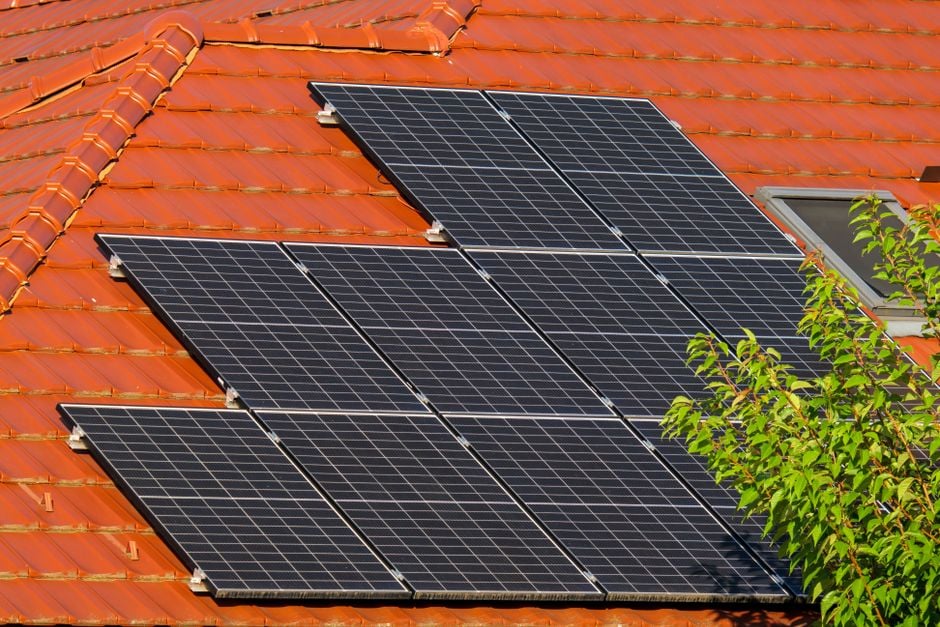
Millions of homeowners were sold residential solar systems with one compelling promise: you will save money. For a growing number of consumers, that promise never materialized. Instead, they are now saddled with decades of loan payments, damaged roofs, and a solar company that has stopped answering the phone. As federal and state regulators ramp up enforcement and class-action lawsuits multiply, a significant intake opportunity is emerging for plaintiff-side law firms. This article explains what constitutes a high-value solar consumer fraud lead, the common fact patterns your intake team should recognize, and how to build a lead generation campaign around your firm’s specific case criteria.
Table of Contents
The Rise of Solar Consumer Fraud: A New Intake Opportunity
The residential solar industry has experienced explosive growth over the last decade, but that expansion has been accompanied by a sharp rise in consumer complaints. The U.S. Department of Treasury has noted a significant increase in grievances centered on deceptive cost and savings claims, misleading loan information, and aggressive door-to-door sales tactics. In response, the Federal Trade Commission enacted its Impersonation Rule (16 CFR Part 461), which directly targets solar scammers who falsely present themselves as government or utility affiliates to gain homeowner trust.
The regulatory scrutiny is matched by an active litigation landscape. Multiple nationwide class-action lawsuits have been filed against major industry players. Generac Power Systems faces claims over defective components that impeded energy production. Vision Solar LLC was sued for failing to adhere to electrical codes and obtain proper permits. Lumio HX Inc. and Better Earth Inc. are also defending against allegations ranging from failure to install operable systems to missing contractual deadlines. These cases demonstrate that solar fraud is not a theoretical practice area. It is a viable, active field with established legal precedent and substantial damages at stake.
The consumer harm is often severe. Homeowners report being trapped with solar loans exceeding $50,000, unexpected property tax liens through PACE financing programs, and photovoltaic systems that produce a fraction of the promised energy. When these consumers realize the salesperson’s promises do not match the contract terms, many begin searching for legal representation. For plaintiff-side firms willing to investigate these claims now, the current market represents a window of opportunity where early movers can build a strong caseload before the space becomes saturated.
What Are Solar Consumer Fraud Leads?
A solar consumer fraud lead is not a homeowner casually shopping for a solar quote. It is a consumer who has already experienced alleged financial harm or property damage and is actively seeking information about legal recourse. These individuals have typically made multiple attempts to resolve the issue with the installer or lender and, having received no satisfactory response, are now looking for an attorney.

The most valuable leads report specific trigger events that signal potential legal claims. These include being told the panels would be free or government-funded, discovering signatures on contracts they never authorized, learning about undisclosed dealer fees that inflated their financed amount by thousands of dollars, or watching a system sit inoperable on their roof while loan payments continue every month. These are problem-centric inquiries, fundamentally different from the standard solar sales leads that marketing companies generate for installation businesses. The consumer is not comparing products. They are looking for help.
It is important to acknowledge that not every complaint constitutes a viable legal claim. Your law firm makes that determination after reviewing the facts, documents, and applicable state law. The lead provides the raw material for your intake and legal review process. The goal is to connect your firm with consumers whose circumstances match the case profiles you have already identified as worth pursuing.
Common Solar Sales Misrepresentations and Legal Theories
Residential solar is frequently sold during a brief conversation at the homeowner’s front door, over the phone, or through a tablet presentation on the kitchen counter. The salesperson typically spends most of that time talking about savings, while saying very little about the total financed price, dealer fees, payment escalations, maintenance obligations, cancellation rights, or what happens when the home is sold. Consumers commonly report hearing phrases that later form the basis of misrepresentation claims.
“The panels are free.” “Your electric bill will disappear.” “The government will pay for the system.” “You are guaranteed a large tax refund.” “This is only an application, not a contract.” When these statements prove false, the homeowner can be left making payments for two decades on a system that never delivered as promised.
Five fact patterns appear with particular frequency. First, promised savings that never happened. The homeowner was assured a dramatically lower electric bill but now pays both a solar loan and a substantial utility payment each month. Second, misleading tax credit claims. Some salespeople describe the federal solar tax credit as guaranteed cash or a guaranteed refund, when in reality the credit is nonrefundable and may not benefit the homeowner as represented. Third, hidden financing costs. A low advertised interest rate often conceals large dealer fees, a financed amount far exceeding the quoted system price, or payment increases tied to an expected tax credit that never materializes.
Fourth, forged signatures or unauthorized contracts. Some consumers allege that a salesperson signed documents on their behalf, clicked through electronic disclosures without permission, or enrolled a spouse who never approved the transaction. Fifth, systems that do not work. Panels were installed but never received permission to operate from the utility, or the system produces far less electricity than the sales proposal estimated. Meanwhile, the loan payment continues every month.
These fact patterns map to several legal theories depending on the jurisdiction and specific facts. Consumer fraud statutes, state Deceptive Trade Practices Acts, fraudulent or negligent misrepresentation, breach of contract, and claims involving improper financing disclosures or unauthorized electronic signatures may all apply. The strength of any case often depends on the documentation the consumer retained. Contracts, sales proposals, text messages, emails, and advertisements are all critical pieces of evidence that a well-qualified lead should possess or be able to obtain.
What Makes a Solar Consumer Fraud Lead Valuable?
A name and a phone number are not enough to run an efficient intake operation. Your team needs enough information upfront to quickly decide whether the consumer may fit your firm’s criteria. The value of a lead lies in the pre-qualification data attached to it.
Key qualification questions include the state where the property is located, the date the solar agreement was signed, which company sold the system, which company installed it, and which lender or financing company is involved. The financed amount and monthly payment help your team assess potential damages. Knowing what the salesperson promised and how the actual result was different allows intake staff to evaluate the misrepresentation angle immediately. Perhaps most importantly, confirming whether the consumer is actively seeking legal help, rather than merely reporting a problem, separates high-intent leads from those who are not yet ready to engage counsel.
Exclusivity also affects lead value. A lead delivered only to your firm reduces the competition for the consumer’s attention and improves the likelihood of conversion on the first contact. When a consumer submits their information and receives calls from multiple firms simultaneously, the experience can be overwhelming and may diminish trust. Exclusive leads allow your intake team to have a cleaner, more professional conversation.
Solar Fraud Lead Generation Built Around Your Criteria
Every law firm approaches solar fraud differently. One firm may focus narrowly on forged signatures and unauthorized contracts. Another may pursue misleading tax credit claims against specific lenders. A third may target particular installers with a documented history of consumer complaints in select states. That is why an effective lead generation campaign should be built around the cases your firm actually wants, not a generic batch of names.
Campaign criteria can include approved states, agreement or installation date ranges, minimum financed amounts, specific solar companies, specific lenders, and required types of misrepresentation. Your firm can also specify whether the system must be installed and operational, whether the consumer must have retained contracts and supporting documents, and whether the consumer can confirm they have not already retained another attorney.
Delivery options vary based on your campaign parameters and intake capacity. Consumer form leads provide detailed information your team can review before making contact. Qualified inbound calls connect your firm with consumers who have already been screened against your criteria. Live transfers deliver a consumer directly to your intake specialist in real time. The right model depends on how your firm prefers to handle initial contact and how quickly your team can respond.
AI-powered qualification and targeting help filter responses based on your pre-set criteria, ensuring that only relevant consumers are delivered. The campaign should also be dynamic. Your intake team provides regular feedback on rejection reasons, and the lead generation is refined over time to improve quality and alignment with the cases your firm is actually signing.
Why Fast Follow-Up Matters: Maximizing Conversion
A strong lead loses value when it sits untouched in an inbox. Consumers who are actively seeking legal help often contact several firms. The firm that responds first, within minutes rather than hours, has the best chance of speaking with the consumer while the request is still fresh and before a competitor has already scheduled the consultation.
Your intake team should contact new leads immediately using the permitted contact methods. Several follow-up attempts should be made across the first 48 hours. The conversation should be guided by a consistent qualification script that focuses on the gap between what was promised and what was delivered. Requesting contracts, proposals, and relevant communications early in the process helps your legal team evaluate the claim faster and signals to the consumer that your firm is serious and organized.
Track every rejection reason diligently. If a pattern emerges, such as consumers in a particular state not meeting your damages threshold or complaints involving a specific company falling outside your case criteria, that feedback should be communicated to the campaign team. Adjustments can be made to improve the quality of future deliveries. A trained intake team that understands common solar sales practices, financing structures, and the warning signs associated with these claims will convert more leads into signed clients.
Start Receiving Solar Consumer Fraud Leads
If your law firm is investigating solar companies, dealers, installers, or lenders for alleged fraud or misrepresentation, Exclusive Leads Agency can connect you with homeowners who report potential solar fraud and are looking for legal help.
To build the right campaign, prepare the following information before reaching out: the states you accept, the solar companies or lenders you are targeting, the types of misconduct you are investigating, your required agreement dates, your minimum damages or financing amount, your desired weekly or monthly volume, and your preferred lead delivery method.
Solar consumer fraud leads are currently available. Call 832-380-4589 or email info@exclusiveleadsagency.com to discuss your criteria, campaign options, and current availability. We will review your requirements and explain the delivery models that match your intake capacity and case goals.
Frequently Asked Questions
What is a solar consumer fraud lead?
A solar consumer fraud lead is a homeowner who has requested information or legal help after reporting a possible deceptive sales practice, financing problem, unauthorized agreement, installation issue, or other solar-related harm. These consumers are not shopping for solar panels. They are reporting an existing problem and seeking recourse.
Can leads be filtered by state or solar company?
Yes. A campaign can be targeted to selected states, specific solar companies, installers, lenders, agreement dates, or complaint types. Available volume will depend on the criteria you set and the current market conditions in those segments.
Are solar fraud leads exclusive?
Lead exclusivity depends on the campaign and delivery model you select. Exclusive options are available and will be explained in full before any campaign begins. Exclusive delivery means the lead is sent only to your firm, reducing competition and improving your conversion opportunity.
How quickly should we contact a new lead?
Immediately. Consumers who are actively seeking legal help often submit inquiries to multiple firms. The first firm to make contact has the highest probability of securing the consultation. A response time measured in minutes, not hours, is the standard that maximizes conversion.